How to Relax? Simple and Effective Ways to Reduce Stress Fast
Stress has become a common part of modern life. Whether it’s work pressure, family responsibilities, financial concerns, or daily challenges, many people struggle to find ways to feel calm and balanced.
If you’ve ever wondered how to relax, you’re not alone. Learning simple relaxation techniques can help reduce stress, improve mental well-being, and support better physical health.
This guide answers the most common questions about how to relax, including quick stress-relief methods, relaxation techniques, sleep tips, and natural ways to calm your mind.
What Does It Mean to Relax?
Relaxation is the process of reducing physical tension and calming the mind. It helps your body recover from stress and restore emotional balance.
When you relax:
- Your heart rate slows down
- Muscles become less tense
- Breathing becomes calmer
- Stress hormones decrease
Relaxation is not about doing nothing. It is about engaging in activities that help your body and mind recover from daily stress.
Why Is Relaxation Important?
Regular relaxation supports both physical and mental health.
Benefits of Relaxation
- Reduces stress levels
- Improves sleep quality
- Increases focus and concentration
- Relieves muscle tension
- Improves mood
- Supports heart health
- Boosts energy levels
Practicing relaxation regularly can help you manage life’s challenges more effectively.
How to Relax Fast When You’re Stressed
If you’re feeling overwhelmed, these quick relaxation techniques can help calm your body and mind.
Take Deep Breaths
Slow breathing activates your body’s relaxation response.
Try this technique:
- Inhale for 4 seconds
- Hold for 4 seconds
- Exhale for 6 seconds
Step Away From the Situation
A short break can help reset your thoughts and reduce stress.
Listen to Calming Music
Soft music may help lower stress levels and improve mood.
Stretch Your Body
Gentle stretching can release muscle tension and improve circulation.
How to Relax Your Mind Naturally
Many people search for ways to relax their minds after a busy day.
Practice Mindfulness
Mindfulness helps you focus on the present moment rather than worrying about the future.
Spend Time in Nature
Walking in a park, garden, or natural setting can significantly reduce stress.
Reduce Screen Time
Limiting social media and digital distractions can improve mental relaxation.
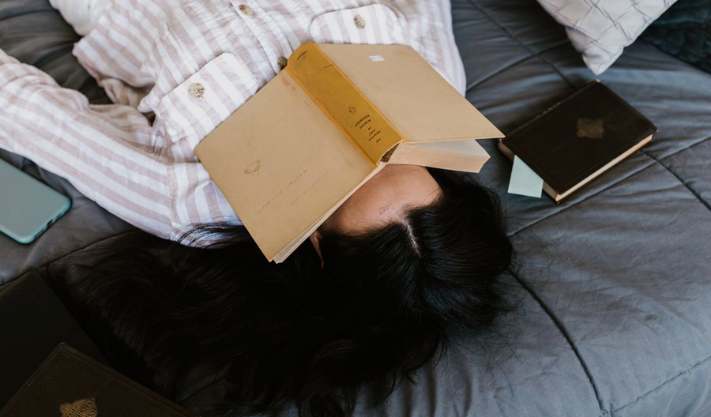
Read a Book
Reading can shift your attention away from stressful thoughts and create a sense of calm.
What Are the Best Relaxation Techniques?
Different relaxation techniques work for different people.
Meditation
Meditation helps calm the mind and improve emotional balance.
Progressive Muscle Relaxation
This technique involves tensing and relaxing muscle groups throughout the body.
Yoga
Yoga combines movement, breathing exercises, and mindfulness to reduce stress.
Guided Visualization
Imagining peaceful scenes can help your mind enter a more relaxed state.
Can Exercise Help You Relax?
Yes. Exercise is one of the most effective ways to reduce stress naturally.
Benefits of Exercise for Relaxation
- Releases endorphins
- Improves sleep quality
- Reduces anxiety
- Boosts mood
- Increases energy
Walking, swimming, cycling, dancing, and jogging can all help you relax.
How to Relax Before Bed for Better Sleep
Many people struggle to sleep because their minds remain active at night.
Tips to Relax Before Bed
- Turn off screens 30–60 minutes before sleep
- Keep your bedroom cool and comfortable
- Read a book
- Listen to relaxing music
- Practice deep breathing
- Avoid caffeine in the evening
A consistent bedtime routine can improve both relaxation and sleep quality.
What Foods Help You Relax?
Certain foods may support relaxation and stress management.
Relaxing Foods to Include
- Bananas
- Oatmeal
- Nuts and seeds
- Leafy green vegetables
- Fatty fish
- Herbal tea
- Dark chocolate in moderation
A balanced diet and proper hydration also support your body’s ability to handle stress.
How to Relax at Work
Work-related stress affects millions of people every day.
Simple Ways to Relax at Work
Take Short Breaks
Even a few minutes away from your desk can refresh your mind.
Prioritize Tasks
Creating a task list can help reduce feelings of overwhelm.
Practice Deep Breathing
A few slow breaths can lower stress levels during a busy workday.
Maintain Good Posture
Proper posture reduces physical strain and improves comfort.
Can Relaxation Improve Mental Health?
Yes. Relaxation techniques can play an important role in supporting mental well-being.
Mental Health Benefits of Relaxation
- Better emotional resilience
- Improved mood regulation
- Greater self-awareness
- Reduced anxiety symptoms
- Enhanced overall well-being
If you’re experiencing serious mental health challenges, consider speaking with a qualified healthcare professional.
How Often Should You Practice Relaxation Techniques?
Consistency matters more than duration.
Experts often recommend:
- 5–10 minutes of daily meditation
- Regular physical activity
- Short breathing exercises throughout the day
- Dedicated relaxation time every evening
Even small daily habits can make a significant difference over time.
Common Mistakes People Make When Trying to Relax
Avoid these common mistakes:
- Expecting instant results
- Multitasking while relaxing
- Skipping relaxation during busy periods
- Spending too much time on social media
- Neglecting sleep and exercise
Relaxation is a skill that improves with regular practice.
How to Relax When Life Feels Overwhelming
When stress becomes intense, focus on small actions you can control.
Try These Steps
- Take slow, deep breaths
- Break large tasks into smaller steps
- Talk to someone you trust
- Spend time outdoors
- Prioritize self-care
Even a few minutes of relaxation can help you regain perspective.
Frequently Asked Questions About How to Relax
What is the fastest way to relax?
Deep breathing, stretching, and stepping away from stressful situations are among the quickest relaxation methods.
How can I relax my mind naturally?
Mindfulness, reading, spending time outdoors, and reducing screen time can help calm your mind naturally.
Does exercise help reduce stress?
Yes. Physical activity releases endorphins and supports better mental and physical health.
What are the best relaxation techniques?
Meditation, yoga, progressive muscle relaxation, and guided visualization are among the most effective techniques.
Can relaxation improve sleep?
Yes. Relaxation techniques before bedtime can help you fall asleep faster and improve sleep quality.
Conclusion
Learning how to relax is essential for maintaining physical health, emotional balance, and overall well-being. Whether you choose deep breathing, meditation, exercise, mindfulness, or spending time in nature, relaxation techniques can help reduce stress and improve your quality of life.
Start with small daily habits that fit your lifestyle. Over time, consistent practice can help you feel calmer, think more clearly, sleep better, and handle everyday challenges with greater confidence.
Also Read:
How to Do a Plank Correctly: Beginner’s Step-by-Step Guide
Who Is Bill Gates and Why Is He Famous?
How to Start a Blog That Builds Your Brand and Career