10 High-Protein Foods That Have More Protein Than Steak
When people think about protein, steak is usually one of the first foods that comes to mind. A juicy beef steak is often considered the gold standard for building muscle, supporting recovery, and keeping you full for longer. While steak certainly delivers a solid amount of protein, it’s far from the only option available. In fact, several foods contain even more protein per serving than steak while also offering additional nutrients like fiber, healthy fats, vitamins, and minerals.
Whether you’re trying to build muscle, lose weight, improve your diet, or simply add variety to your meals, these high-protein foods can help you hit your nutrition goals. Here are 10 protein-packed foods that can outperform steak when it comes to protein content.
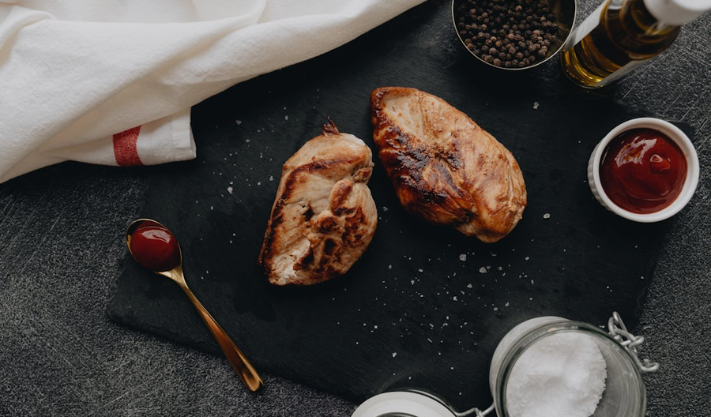
1. Chicken Breast
Chicken breast is one of the leanest and most protein-rich foods available. A skinless chicken breast contains around 31 grams of protein per 100 grams, making it higher in protein than many cuts of steak.
It’s also low in fat and calories, which is why it’s a favorite among athletes, bodybuilders, and fitness enthusiasts. Chicken breast is versatile and easy to include in salads, wraps, stir-fries, and grilled dishes.
Why it’s great:
- High protein-to-calorie ratio
- Low in saturated fat
- Rich in B vitamins and selenium
2. Turkey Breast
Turkey breast is another lean meat that delivers more protein than steak. A 100-gram serving provides approximately 29–30 grams of protein with very little fat.
Turkey is especially popular during holiday seasons, but it can easily become an everyday healthy protein source. It supports muscle growth while helping maintain a balanced diet.
Benefits:
- Lean and low-calorie
- Supports muscle recovery
- Contains zinc and potassium
3. Tuna
Tuna is one of the highest-protein fish options available. A 100-gram serving of tuna contains around 30 grams of protein and very little fat.
It’s also rich in omega-3 fatty acids, which support heart and brain health. Tuna can be enjoyed fresh, grilled, or canned for a quick and affordable protein boost.
Why people love it:
- High in protein
- Rich in healthy fats
- Convenient and versatile
4. Shrimp
Shrimp may be small, but it packs an impressive protein punch. A 100-gram serving contains about 24 grams of protein while remaining low in calories.
Shrimp is also rich in iodine, selenium, and vitamin B12. It cooks quickly and works well in pasta, salads, curries, and stir-fry dishes.
Key advantages:
- Low calorie and high protein
- Rich in antioxidants
- Excellent seafood option for weight management
5. Greek Yogurt
Greek yogurt has become one of the most popular high-protein foods for good reason. A single serving can contain up to 20 grams of protein, depending on the brand and type.
Compared to regular yogurt, Greek yogurt is strained to remove excess liquid, resulting in a thicker texture and significantly more protein. It’s ideal for breakfast, snacks, smoothies, or desserts.
Health benefits:
- Supports gut health with probiotics
- High in calcium
- Helps keep you full longer
6. Cottage Cheese
Cottage cheese is a favorite among fitness enthusiasts because it’s loaded with protein and low in calories. One cup can provide around 28 grams of protein, rivaling or even surpassing steak depending on the cut.
It’s also rich in casein protein, which digests slowly and helps maintain muscle recovery overnight.
Why it stands out:
- Slow-digesting protein
- Great for muscle recovery
- High in calcium and phosphorus
7. Lentils
Lentils prove that plant-based foods can also be protein powerhouses. One cooked cup of lentils contains approximately 18 grams of protein along with fiber, iron, and complex carbohydrates.
Unlike steak, lentils contain no cholesterol and are naturally low in fat. They’re an excellent option for vegetarians, vegans, and anyone looking to reduce meat consumption.
Nutritional highlights:
- Rich in fiber
- Supports heart health
- Affordable and sustainable protein source
8. Edamame
Edamame, or young soybeans, is one of the best plant-based protein options available. A cup of cooked edamame delivers around 18–19 grams of protein.
These green soybeans are also rich in folate, vitamin K, and magnesium. Edamame can be eaten as a snack, added to salads, or mixed into rice bowls.
Why it’s healthy:
- Complete plant protein
- Rich in antioxidants
- Supports bone and heart health
9. Tempeh
Tempeh is a fermented soy product that contains even more protein than tofu. A 100-gram serving provides roughly 20 grams of protein along with probiotics and fiber.
Because it’s fermented, tempeh may also support digestive health. Its firm texture and nutty flavor make it a satisfying meat alternative.
Top benefits:
- High in plant protein
- Contains gut-friendly probiotics
- Excellent meat substitute
10. Parmesan Cheese
Parmesan cheese may surprise many people by making this list. It contains around 35–38 grams of protein per 100 grams, which is higher than many steak cuts.
While cheese should be eaten in moderation due to its sodium and fat content, parmesan can still be a flavorful way to add extra protein to meals.
Why it deserves attention:
- Extremely protein dense
- Rich in calcium
- Adds flavor with small portions
Why Protein Matters
Protein is an essential nutrient that plays a critical role in nearly every function of the body. It helps build and repair muscles, produce enzymes and hormones, support immune health, and maintain healthy skin and hair.
Eating enough protein can also:
- Increase feelings of fullness
- Help with weight management
- Support muscle growth and recovery
- Improve metabolism
The amount of protein a person needs depends on factors such as age, activity level, and health goals. Active individuals and athletes often require higher protein intake than sedentary adults.
Is Steak Still Healthy?
Steak can absolutely be part of a healthy diet. It provides high-quality protein, iron, zinc, and vitamin B12. However, relying solely on steak for protein may limit dietary variety.
Some cuts of steak can also be high in saturated fat, which is why balancing your diet with lean meats, seafood, dairy, legumes, and plant-based proteins is beneficial.
Adding different protein sources to your meals can provide a wider range of nutrients while keeping your diet interesting and balanced.
Final Thoughts
Steak may have a strong reputation as a protein powerhouse, but many other foods can match or even exceed its protein content. From lean meats like chicken and turkey to seafood, dairy, and plant-based options like lentils and tempeh, there are countless ways to increase your protein intake without relying entirely on red meat.
Including a variety of protein-rich foods in your diet can help support muscle growth, improve overall nutrition, and make healthy eating more enjoyable. Whether you prefer animal-based or plant-based foods, these high-protein alternatives prove that steak isn’t the only star of the protein world.
Also Read:-
Body as a Masterpiece: Nipples, Skeletons and Tattoos
How Korean Skincare Transforms Mature Skin Naturally
Top 15 Famous British Actors of All Time (Best British Actors List)