A Debate Rooted in Culture and Politics
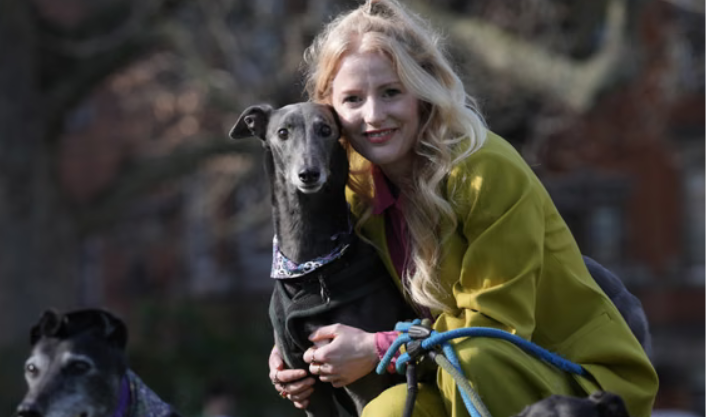
The discussion surrounding greyhound racing has evolved into a broader political and cultural debate, with a Green MP asserting that Labour has misrepresented the views of working-class communities on the issue. At its core, this controversy is not just about animal welfare or the future of a traditional sport; it is also about identity, representation, and how political narratives are shaped. Greyhound racing has long been associated with working-class culture in various parts of the UK, where it has historically served as both a form of entertainment and a social gathering point. For decades, tracks have brought communities together, offering an accessible leisure activity that blends sport, betting, and camaraderie. However, changing societal attitudes toward animal welfare have placed the sport under increasing scrutiny, creating a complex intersection between tradition and ethical responsibility.
The Green Perspective on Animal Welfare
From the perspective of the Green MP, the debate is fundamentally about animal welfare and the ethical implications of continuing greyhound racing in its current form. Advocates for reform or outright bans argue that the sport often places dogs at risk of injury, neglect, or exploitation, particularly when regulatory standards are insufficient or inconsistently enforced. The Green Party has been vocal in calling for stricter regulations or an end to the sport, emphasizing the need to prioritize the well-being of animals over commercial or recreational interests. This stance aligns with broader environmental and ethical principles that the party champions, framing the issue as part of a larger commitment to compassionate and sustainable policies. However, the Green MP’s criticism extends beyond policy to the way the conversation is being framed by other political actors.
Accusations Against Labour’s Narrative
The central claim made by the Green MP is that Labour’s portrayal of working-class attitudes toward greyhound racing is overly simplistic and, in some cases, inaccurate. According to this viewpoint, Labour risks caricaturing working-class communities by assuming uniform support for the sport or by using it as a symbolic representation of cultural identity. The argument suggests that such narratives can be reductive, failing to acknowledge the diversity of opinions within these communities. While some individuals may indeed view greyhound racing as an important tradition, others may share concerns about animal welfare or simply have no strong attachment to the sport at all. By presenting a monolithic view, critics argue, Labour may inadvertently overlook the nuanced perspectives that exist among the very people it seeks to represent.
Working-Class Voices and Diverse Opinions
One of the key themes emerging from this debate is the importance of amplifying authentic working-class voices rather than relying on assumptions or stereotypes. Communities traditionally associated with greyhound racing are not homogenous, and their views on the sport can vary widely based on factors such as age, location, and personal values. Younger generations, for instance, may be more influenced by contemporary attitudes toward animal rights, while older individuals may feel a stronger connection to the sport’s historical and cultural significance. Economic considerations also play a role, as greyhound racing supports jobs and local businesses in certain areas. This diversity of perspectives underscores the need for a more inclusive and representative dialogue that takes into account the full spectrum of opinions rather than relying on generalized narratives.
The Role of Tradition in Modern Society
The tension between tradition and progress is a recurring theme in debates like this one. Greyhound racing, like many longstanding practices, carries a sense of heritage and nostalgia that resonates with some communities. For supporters, the sport represents a link to the past and a continuation of shared cultural experiences. However, critics argue that tradition alone cannot justify practices that may be ethically problematic in a modern context. This raises important questions about how societies should navigate the preservation of cultural heritage while adapting to evolving moral standards. The Green MP’s position reflects a belief that progress should take precedence, particularly when it involves the welfare of animals, but also acknowledges the need for sensitive and respectful engagement with those who value the tradition.
Political Strategy and Public Perception
The disagreement between the Green MP and Labour also highlights the role of political strategy in shaping public discourse. Political parties often seek to connect with voters by aligning themselves with perceived cultural values, but this approach can sometimes lead to oversimplification. In the case of greyhound racing, Labour’s framing may be seen as an attempt to resonate with working-class voters by emphasizing shared traditions. However, critics argue that this strategy risks alienating those within these communities who hold different views or who feel that their perspectives are being misrepresented. The Green MP’s comments can be interpreted as a call for more thoughtful and nuanced political communication that avoids reducing complex issues to easily digestible narratives.
Economic Implications and Industry Impact
Beyond the cultural and ethical dimensions, the future of greyhound racing also has significant economic implications. The industry supports a range of jobs, from trainers and track staff to those involved in related sectors such as hospitality and betting. Any move toward stricter regulation or a ban would need to consider the potential impact on these livelihoods and explore alternative opportunities for affected workers. This adds another layer of complexity to the debate, as policymakers must balance ethical considerations with economic realities. The Green MP’s critique of Labour suggests that a more comprehensive approach is needed—one that addresses not only the welfare of animals but also the well-being of people who depend on the industry.
Media Representation and Public Discourse
The way the issue is presented in the media also plays a crucial role in shaping public opinion. Headlines, political statements, and social media discussions can all influence how the debate is perceived, sometimes reinforcing stereotypes or amplifying certain viewpoints over others. The Green MP’s criticism of Labour can be seen as part of a broader concern about how narratives are constructed and whose voices are prioritized. Ensuring balanced and accurate representation is essential for fostering informed and constructive discussions, particularly on issues that intersect with identity, culture, and ethics.
Toward a More Inclusive Conversation
Ultimately, the debate over greyhound racing and its representation in political discourse points to the need for a more inclusive and nuanced conversation. Recognizing the diversity of working-class perspectives, engaging with communities directly, and addressing both ethical and economic considerations are all crucial steps in moving forward. The Green MP’s comments serve as a reminder that political narratives should strive to reflect reality rather than simplify it, and that meaningful progress requires listening to a wide range of voices.
Conclusion: Beyond Caricatures and Toward Understanding
The controversy surrounding greyhound racing and the alleged misrepresentation of working-class views highlights the complexities of modern political discourse. It underscores the importance of avoiding stereotypes, embracing nuance, and prioritizing both ethical considerations and community perspectives. As the debate continues, it offers an opportunity for all parties involved to rethink how they engage with the public and to work toward solutions that are both compassionate and inclusive. By moving beyond caricatures and fostering genuine understanding, policymakers can better address the challenges at the heart of this issue while respecting the diverse voices that shape it.
Also Read:-
Drax gets £999M subsidies for biomass in 2025
Joint enterprise convictions triple since 1980s report
Reform UK voters see fewer posts from friends