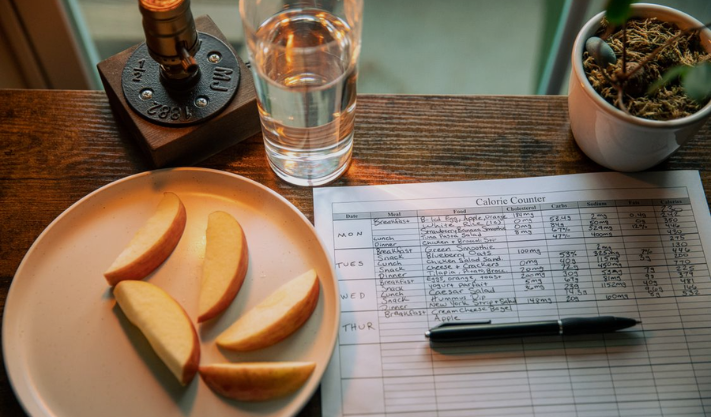
Calorie Calculator: How Many Calories Do You Burn During a Work Shift
If you stand or do strenuous work or are on your feet during your work time, you can question yourself how many calories you burn. Whether you’re a nurse, warehouse worker, retail employee, construction worker or restaurant staff, knowing how many calories you burn can help you achieve your fitness goals, control your weight and plan daily nutrition.
A Calorie Calculator can give you an idea of the number of calories you burn during work, but knowing the components that contribute will help you grasp the numbers more accurately. This article answers the most common questions about how to calculate calories burned on shift.
What Does Burning Calories In A Work Shift Mean
Calories are units of energy that your body uses to execute every task including breathing, walking, lifting, standing and working.
Your body is always burning calories to fuel activity and essential body functions during a shift. In general, the more physical your job is, the more calories you burn.
For example:
- Sitting at a desk burns less calories.
- You burn more calories by walking around a store.
- Lifting Heavy Things Burns Even More Calories.
The total calories burned at work depend on the level of exercise and personal factors.
How to Figure Out Calories Burned During a Shift
When estimating calories burned throughout a shift, a few things are taken into account:
- Body weight
- Age
- Sex
- Intensity of physical activity
- Shift length
- Physical fitness
These details are usually used in a Calorie Calculator to estimate your energy expenditure over a period of time.
Most often, bigger people use more calories because their bodies need more energy to do the same things.
Why does the type of job affect calories burned?
Some vocations need more physical work than others.
Much of the time we just sat there, doing nothing.
Low-Activity Jobs
Mostly seated jobs:
- Office employees
- Receptionists
- Customer service reps
- Drivers
These roles tend to burn fewer calories each hour.
Moderate Activity Work
These jobs demand standing and walking on a regular basis:
- Retail workers
- Teachers
- Healthcare workers
- Food service workers
Moving at a moderate pace burns more calories throughout the day.
Jobs with High Activity
These jobs entail a lot of physical labor:
- Builders
- Warehouse workers
- Moving crews
- Landscaping crews
Jobs that require physical activity tend to burn a lot more calories than others.
How Many Calories You Burn in an 8 Hour Shift?
The answer depends on your profession and your body weight.
Here are rough estimates:
Desk Job
- 600-1000 calories/shift or
Retail / Hospitality Jobs
- About 1,200-2,000 calories per shift
Warehouse or Building Work
- Something around 2-4k calories each shift
These are estimations, actual calories burned may vary from person to person.
How Many Calories You Burn at Work: What Determines?
There are a number of things that impact how many calories you burn per shift.
Weight (body)
Generally speaking, those who are heavier burn more calories since moving a larger body takes more energy.
Activity Level
Walking, lifting, climbing stairs and carrying equipment all burn more calories.
Length of shift
Generally speaking, a 12-hour shift will burn more calories than a 6-hour shift, simply because you’re on your feet for a longer period of time.
Work Intensity
Generally speaking, the faster the workplace, the more energy it demands.
Muscle Tissue
People with increased muscular mass typically burn more calories all through the day.
Does standing all day burn enough calories?
Standing burns more calories than sitting, but the difference might not be as big as people imagine.
Standing increases energy expenditure over sitting, because muscles are constantly active in standing.
But for overall calories burned, walking, lifting, bending and ascending stairs usually do a lot more.
The amount of calories burned by standing workers who also move around a lot is usually much higher during the work day.
How Accurate Is a Calorie Counter?
A Calorie Calculator will give you an estimate, not an exact number.
Accuracy is based on:
- Data inputted
- Assumptions of activity
- The person’s metabolism
- Level of physical fitness
While no calculator can give you a precise number for calories burned, it can be a good guide to use when you’re starting out with nutrition and exercise objectives.
Can Wearable Devices Help to Track Calories Burned?
Yup. Fitness trackers and smartwatches might provide you some more knowledge about how many calories you’re burning.
Many devices monitor:
- HR Heart rate
- Actions Taken
- Distance travelled
- Active minutes (min)
These metrics can enhance calorie estimates during your shift.
However, wearable gadgets still provide estimations rather than accurate values.
How Do Nurses and Healthcare Workers Calculate Calories Burned?
Healthcare staff often spend long hours walking between patient rooms, standing for extended periods, and performing physically demanding jobs.
A normal nurse may burn substantially more calories than someone working at a desk.
Factors that influence calorie burn for healthcare professionals include:
- Walking distance
- Patient lifting
- Shift duration
- Floor layout
- Work pace
Twelve-hour shifts might result in high calorie expenditure depending on activity levels.
Do Construction Workers Burn the Most Calories?
Construction labor is among the most physically demanding vocations.
Activities such as:
- Carrying materials
- Digging
- Climbing
- Lifting equipment
- Operating heavy tools
can drastically boost energy expenditure.
Many construction workers expend thousands of calories throughout a full shift, depending on the sort of job performed.
Can Calorie Burn Help With Weight Loss?
Yes. Weight loss occurs when you burn more calories than you ingest over time.
Physically active jobs may add significantly to daily calorie expenditure.
However, weight management also depends on:
- Diet quality
- Total calorie intake
- Exercise habits
- Sleep quality
- Overall health
Workplace activity alone may not guarantee weight loss if calorie intake stays high.
Should You Eat More If You Burn More Calories at Work?
In many circumstances, yes.
Workers with physically demanding jobs often require additional calories to sustain energy levels and promote recovery.
Nutrient-rich diets can assist sustain performance throughout lengthy shifts, including:
- Lean proteins
- Whole grains
- Fruits
- Vegetables
- Healthy fats
Hydration is similarly vital, especially in physically demanding circumstances.
What Is the Best Way to Estimate Calories Burned During a Shift?
The most successful technique involves numerous methods:
- Use a Calorie Calculator.
- Track daily activity levels.
- Monitor wearable gadget data.
- Compare energy consumption and body weight changes.
- Adjust estimations depending on personal experience.
Using numerous tools together often delivers more trustworthy results than relying on a single strategy.
Frequently Asked Questions
How many calories do I burn during an 8-hour shift?
It depends on your body weight, exercise level, and work kind. A desk worker may burn roughly 600–1,000 calories, while physically demanding employment may burn several thousand calories.
Does standing burn calories?
Yes. Standing burns more calories than sitting, although walking and lifting often burn more.
Are calorie calculators accurate?
They provide reasonable approximations but cannot calculate exact calorie expenditure.
Do heavier people burn more calories?
Generally, yes. More body weight usually requires more energy for movement.
Can fitness trackers measure calories burned?
Fitness trackers estimate calorie expenditure using activity and heart-rate data.
What jobs burn the most calories?
Construction workers, movers, warehouse personnel, landscapers, and other physically demanding industries frequently burn the most calories during a shift.
Conclusion
Calculating calories burned during a shift can help you better understand your daily energy needs, support fitness objectives, and improve nutritional planning. The number of calories you burn depends on a number of factors including body weight, sort of work you do, intensity of activity and hours in a shift. Whether you are working in an office, hospital, warehouse or construction site, a Calorie Calculator can give you a good idea of how much energy your body needs during the workday.
Also Read:-
How Many UK Job Vacancies Are Available? Breaking News FAQ
Ibiza’s Eastern Coast: The Best Coastal Trails & Beach Days
Who Are the Best British Actresses? Top 10 UK Stars Revealed