Iran War Live: Trump Suspends US Attacks, Tehran Agrees to 2-Week Ceasefire
In a sudden and important development, the United States and Iran have decided to stop fighting for now. Both countries have agreed to a temporary ceasefire for two weeks, which means they will pause military attacks during this time.
This decision came at the last moment, just before the U.S. was expected to launch major attacks on Iran. Because of this, the situation quickly changed from possible war to careful talks. While many countries and markets feel some relief, there is still a lot of uncertainty about what will happen next.
Here is a simple explanation of what is happening, why it is important, and what could happen in the coming days.
Trump Stops Military Attacks at the Last Minute
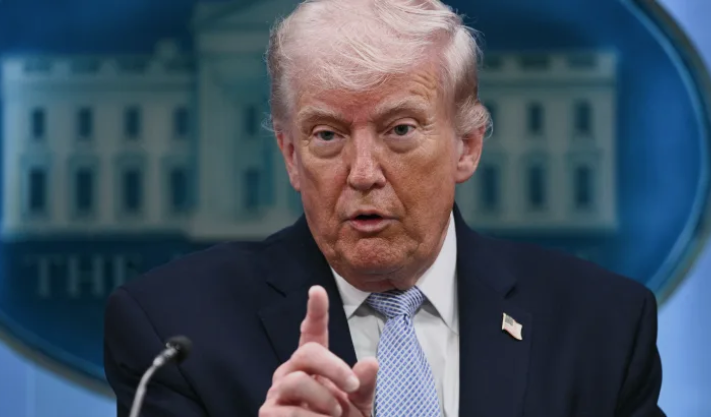
U.S. President Donald Trump announced that the United States will stop all military strikes against Iran for two weeks. This means planned attacks have been paused.
This decision was made just about 90 minutes before a deadline, when the U.S. was expected to start new strikes on important Iranian targets.
Trump called this a “two-sided agreement,” meaning both the U.S. and Iran will stop attacking each other during this period.
Iran Agrees, But With Conditions
Iran has accepted the ceasefire, but it has set some conditions. Iranian leaders said clearly that this is only temporary and does not mean the war is over.
One of Iran’s main conditions is reopening the Strait of Hormuz, an important sea route for oil transport.
Iran has said it will allow ships to pass through the area again, under proper monitoring. This shows that Iran wants to reduce tensions for now, but it is still cautious.
Why the Strait of Hormuz Is Important
The Strait of Hormuz is a narrow water route where a large amount of the world’s oil passes through every day.
If this route is closed, oil supply is affected, and prices can rise quickly around the world.
In recent weeks, the situation in this area caused oil prices to go up and created fear of economic problems. Now, reopening the strait is seen as a big step toward stabilizing the global economy.
Pakistan Helped Make the Ceasefire Happen
An important part of this story is the role of Pakistan.
Pakistan’s leaders, including the prime minister and military officials, helped both sides talk and find a temporary solution.
Their efforts helped convince both the U.S. and Iran to stop fighting and try diplomacy instead. This shows how other countries can play a key role in reducing global conflicts.
A 10-Point Plan for Peace
This ceasefire is not just about stopping attacks. It is also the beginning of possible peace talks.
Iran has shared a 10-point plan for a bigger agreement with the U.S. American officials have said this plan could be a good starting point for discussions.
The plan may include:
- Reducing economic sanctions on Iran
- Security guarantees
- Rules about nuclear programs
However, full details are still not clear, and many issues remain unresolved.
Fighting Has Not Fully Stopped
Even though the ceasefire has been announced, fighting has not completely stopped everywhere.
Some reports say that small attacks continued shortly after the agreement. This often happens because it takes time for orders to reach all military units.
Also, not all groups involved in the conflict may follow the ceasefire immediately.
Israel’s Role Makes Things More Complicated
Israel is also part of the larger conflict and has agreed to the ceasefire—but only partly.
While Israel may stop actions directly related to Iran, it may continue military operations in other areas, such as Lebanon.
This means that even though the U.S. and Iran have paused fighting, some conflicts in the region could still continue.
Global Markets Show Positive Signs
The ceasefire news had a quick effect on global markets.
- Oil prices went down
- Stock markets went up
This shows that investors feel more hopeful that the situation will improve.
Reopening the Strait of Hormuz is especially important because it helps ensure a steady supply of oil, which supports the global economy.
Many People Still Have Doubts
Even though the ceasefire is good news, many experts are still worried.
They point out that:
- Similar ceasefires have failed in the past
- Trust between the U.S. and Iran is very low
- Both sides still have major disagreements
Some people also believe that this pause might be used by both sides to prepare for future actions, rather than to make real peace.
What Will Happen in the Next Two Weeks?
The next two weeks are very important.
During this time, talks are expected to begin, possibly in Islamabad. Leaders from both sides will try to turn this temporary ceasefire into a longer-lasting agreement.
The main topics in these talks will likely include:
- Iran’s nuclear program
- U.S. sanctions
- Security in the Middle East
- Ways to avoid future conflict
The success or failure of these talks will decide what happens next.
This Is a Pause, Not the End
Right now, the ceasefire is a break in fighting, not the end of the war.
Both countries are still alert and ready. The main problems between them have not been solved yet.
The agreement is:
- Temporary
- Conditional
- Fragile
Iran has also said clearly that this is not the end of the war, just a pause.
Final Thoughts
The decision by the U.S. to stop attacks and Iran’s agreement to a two-week ceasefire has created a rare chance for peace talks.
This is an important moment, but it is also uncertain. The situation could improve—or it could become worse again.
Everything now depends on what happens in the coming days.
For now, the fighting has slowed, but the future is still unclear. The world is watching closely, waiting to see whether this pause will lead to peace—or just delay another conflict.
Also Read:-
Has the War Ended? 10 Things to Know About the US-Iran Ceasefire
UK City Firms See Fastest Financial Rebound in 30 Yrs
New sick pay rules could help 9.6M UK workers: TUC