Has the War Ended? 10 Things to Know About the US-Iran Ceasefire
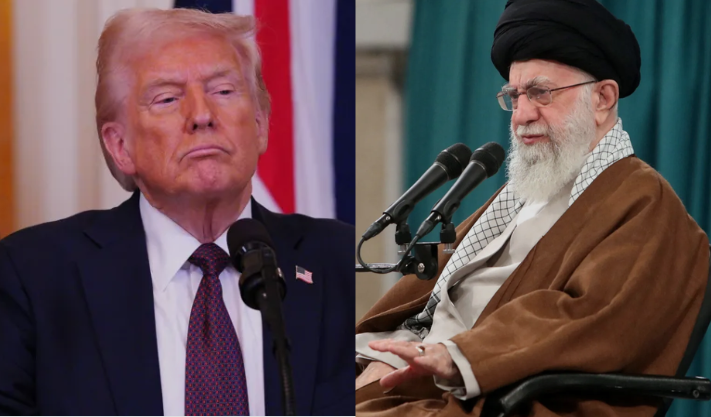
The United States has announced a temporary pause in its military actions against Iran. US President Donald Trump said there will be a two-week break in planned strikes. This decision is linked to Iran’s willingness to reopen the Strait of Hormuz and take part in talks.
This pause has created a small chance for peace talks. However, it does not mean the war is over. There are still many signs that the conflict is continuing.
Earlier in the day, tensions were very high. Trump had warned of serious action against Iran. But later, mediators stepped in and helped reduce the tension. Trump said the US had already achieved its main military goals and suggested that both sides were close to reaching a bigger agreement.
Iran has shown some willingness to cooperate, but only under certain conditions. Its leaders agreed to a temporary ceasefire and proposed a plan to end the conflict. At the same time, they made it clear that they would only stop military action if attacks against Iran also stop.
Meanwhile, the situation on the ground remains tense. Missile activity in the Gulf and ongoing Israeli operations show that the conflict is still active.
Here are 10 key points to understand the situation:
1. A Temporary Ceasefire
The ceasefire is only for two weeks. It is not a full peace agreement, but just a pause in fighting. Trump called it a “double-sided ceasefire,” meaning both sides are expected to hold back.
However, officials from both countries say the ceasefire can be reversed at any time. Iran’s Supreme National Security Council also said clearly that this does not mean the war has ended. It is only a temporary step to allow talks.
Iran also warned that it is ready to respond if there is any attack. This shows that both sides are still cautious and prepared for conflict.
2. The Strait of Hormuz Is Very Important
One of the main issues is the Strait of Hormuz. This is a very important route for global oil supply. Around 20% of the world’s oil passes through this narrow waterway.
The US wants Iran to fully reopen the strait. Trump said this must happen quickly and safely for the pause in strikes to continue.
Iran has agreed in principle but added conditions. It said ships can pass safely only with coordination from its military and depending on technical limits. Since the war began, Iran has used the strait as a key point of pressure.
3. Iran Wants Equal Action from Both Sides
Iran has not agreed to stop all military activity without conditions. It says its actions depend on what the US and its allies do.
Iran’s Foreign Minister Abbas Araghchi said that if attacks on Iran stop, then Iran’s armed forces will also stop their defensive actions.
This shows there is still a lack of trust between the two sides. Any small violation could break the ceasefire. Also, the term “defensive actions” is unclear and could be interpreted in different ways.
4. Talks May Begin in Islamabad
During the two-week pause, the US and Iran are expected to start formal talks in Islamabad, Pakistan.
Trump mentioned that this decision came after discussions with Pakistan’s Prime Minister Shehbaz Sharif and military leader Asim Munir. They requested him to delay military action.
Iran has confirmed that it will take part in these talks. This is a positive step after weeks of rising tensions.
5. Iran’s 10-Point Peace Plan
Iran has introduced a detailed 10-point plan to end the conflict. This plan goes beyond a temporary ceasefire and aims for a complete solution.
Some key points include:
- A permanent end to fighting in several regions, including Iran, Iraq, Lebanon, and Yemen
- Reopening of the Strait of Hormuz
- Removal of US sanctions on Iran
- Release of Iran’s frozen money
- Financial help for rebuilding damaged areas
Iran also said it would not try to develop nuclear weapons. This is an important part of its proposal and is meant to build trust.
6. Questions About Nuclear Enrichment
There is confusion about Iran’s nuclear plans. A difference was found between the Farsi and English versions of its proposal.
The Farsi version includes the phrase “acceptance of enrichment,” referring to Iran’s right to enrich nuclear material. This phrase was missing in the English version.
This difference has raised questions. Trump has said that stopping Iran’s nuclear program is a key goal. He also earlier called Iran’s proposal “fraudulent,” though he did not give details.
This issue could make negotiations more difficult because nuclear activity is one of the most sensitive topics.
7. Ongoing Military Activity
Even with the ceasefire announcement, military actions have not completely stopped. There are reports of missile movements in the Gulf region.
Israeli operations are also continuing. This shows that the ceasefire is limited and does not cover all parties involved in the conflict.
The ongoing activity increases the risk that the situation could worsen again.
8. Lack of Trust Remains a Major Problem
Trust between the US and Iran is very low. Both sides doubt each other’s intentions.
Past conflicts and broken agreements have made the situation more difficult. Even small misunderstandings could lead to renewed fighting.
This lack of trust is one of the biggest challenges in reaching a long-term peace agreement.
9. Many Countries Are Involved
The conflict is not just between the US and Iran. Other countries and groups in the Middle East are also involved.
This makes the situation more complex. Any agreement will need support from multiple sides, not just the two main countries.
This also means that even if the US and Iran agree, fighting could continue in other areas.
10. Main Issues Are Still Not Solved
The biggest problems behind the conflict are still unresolved. These include Iran’s nuclear program, its influence in the region, and long-standing political tensions.
Experts say that the ceasefire does not address these key issues. It only creates time for discussion.
Even if the current pause continues, a lasting peace will need much deeper negotiations and strong agreements.
The Bottom Line
The ceasefire between the US and Iran is an important step to reduce tensions. However, it does not mean the war has ended.
There are many conditions attached to the agreement. Military activity is still happening, and major issues remain unsolved.
The next two weeks will be very important. Talks during this time could lead to a more stable agreement. But there is also a risk that the ceasefire may fail.
For now, the situation remains uncertain. The world will be watching closely to see whether this pause leads to peace or becomes just a short break in an ongoing conflict.
Also Read:-
UK City Firms See Fastest Financial Rebound in 30 Yrs
New sick pay rules could help 9.6M UK workers: TUC
Bodycare Routine 2026: Get Glass Skin From Head to Toe