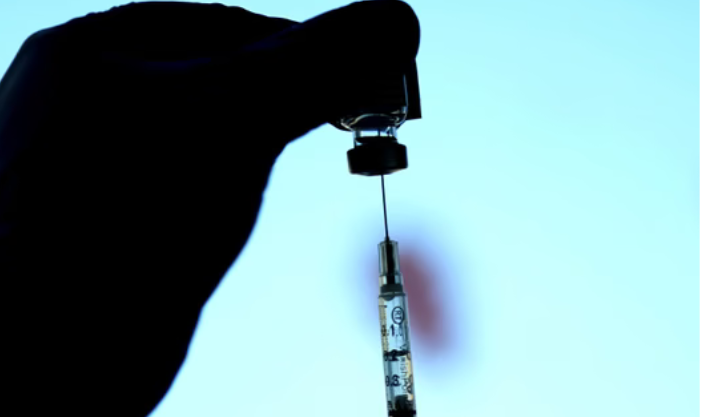
A Warning Signal in a Modern City
The recent detection of the Polio virus in London has sent a strong signal to public health authorities around the world. Known for its advanced healthcare system and long-standing polio-free status, London is not a place where such findings are expected. Yet, traces of the virus discovered in wastewater suggest that silent transmission may be occurring within the community. This does not necessarily indicate a widespread outbreak, but it highlights how even well-protected regions remain vulnerable when vigilance declines.
The timing of this discovery has made the situation even more concerning. It came just days before ministers decided to reduce funding for global polio eradication efforts. This overlap has intensified debate, as experts question whether such decisions could weaken the global safety net that has kept the virus largely under control for decades.
The Fragile Progress of Eradication Efforts
The global fight against polio has been one of the most ambitious public health campaigns in history. Led by organizations such as the World Health Organization and the Global Polio Eradication Initiative, efforts over the past several decades have reduced cases by more than 99 percent. Millions of children have been vaccinated, and entire regions have been declared polio-free.
However, eradication is not the same as control. While the virus has been pushed back to a few remaining areas, it has not been completely eliminated. This means that as long as polio exists anywhere, it remains a threat everywhere. The detection in London is a clear example of how quickly the virus can reappear, especially when gaps in immunity or surveillance emerge.
Reducing funding at this stage risks slowing down vaccination campaigns, limiting monitoring systems, and weakening rapid response capabilities. These are the very tools that have brought the world so close to eradication, and scaling them back prematurely could undo years of progress.
Silent Transmission and Public Health Risks
One of the most challenging aspects of polio is its ability to spread silently. Many individuals who carry the virus show no symptoms, yet they can still transmit it to others. This makes early detection incredibly difficult and increases the importance of strong surveillance systems.
In London, the virus was identified through wastewater testing, a method that has become increasingly important in modern public health. This approach allows authorities to detect the presence of viruses before clinical cases appear, providing a crucial window of time to act. However, such systems require consistent investment and technical expertise—both of which could be affected by funding cuts.
The risk is not just local but global. In a highly connected world, international travel and migration can facilitate the spread of infectious diseases. A case detected in one city can quickly become a concern for multiple countries, reinforcing the need for coordinated global action.
The Debate Over Funding Priorities
The decision to cut funding for polio eradication has sparked a broader debate about government priorities. Policymakers often face difficult choices, balancing healthcare spending with economic pressures, infrastructure needs, and other national concerns. Some argue that resources must be allocated where they are most urgently needed, especially in times of financial constraint.
However, public health experts warn that cutting funding for eradication programs is a short-term decision with potentially long-term consequences. The cost of maintaining vaccination and surveillance systems is relatively low compared to the economic and human costs of a resurgence. If polio were to return on a larger scale, the resources required to contain it would far exceed the savings achieved through budget cuts.
This tension between immediate financial concerns and long-term global health goals lies at the heart of the current controversy. The London detection has added urgency to the discussion, serving as a real-world example of what is at stake.
Community Immunity and Public Awareness
Another critical factor in preventing the spread of polio is maintaining high levels of vaccination within communities. Immunization not only protects individuals but also creates herd immunity, reducing the likelihood of outbreaks. When vaccination rates decline, even slightly, pockets of vulnerability can emerge.
In recent years, vaccine hesitancy and misinformation have become growing challenges in many parts of the world. These issues can undermine public health efforts, making it more difficult to sustain the progress achieved through decades of work. Addressing them requires not only funding but also effective communication, education, and community engagement.
The situation in London serves as a reminder that no country is immune to these challenges. Even in regions with strong healthcare systems, maintaining public trust and participation is essential for long-term success.
Economic and Ethical Considerations
Beyond the immediate health implications, the fight against polio carries significant economic and ethical dimensions. Eradicating the disease would eliminate the need for ongoing vaccination campaigns, saving billions of dollars over time. It would also prevent countless cases of disability, improving quality of life for millions of people.
From an ethical perspective, the decision to reduce funding raises important questions. Polio is a preventable disease, and the tools to eliminate it already exist. Allowing it to persist due to financial constraints can be seen as a failure to prioritize global well-being, particularly for vulnerable populations in regions where healthcare access is limited.
The London case brings these issues into sharper focus, highlighting the real-world impact of policy decisions on both local and global scales.
The Role of Global Cooperation
One of the key lessons from the fight against polio is the importance of international collaboration. No single country can achieve eradication on its own. Success depends on coordinated efforts across borders, with governments, organizations, and communities working together toward a common goal.
The involvement of institutions like the World Health Organization has been crucial in aligning strategies, sharing resources, and ensuring that efforts are sustained over time. Funding cuts, however, can disrupt this coordination, creating gaps that weaken the overall system.
The detection in London underscores the interconnected nature of global health. It demonstrates that progress in one region depends on progress everywhere, and that setbacks in one area can have far-reaching consequences.
A Critical Moment for Global Health
The convergence of a polio detection in a major global city and the decision to reduce eradication funding represents a critical moment. It serves as both a warning and an opportunity—a chance to reassess priorities and reinforce commitments before it is too late.
History has shown that the final stages of disease eradication are often the most challenging. As cases decline, the sense of urgency can fade, leading to complacency and reduced investment. Yet, it is precisely at this stage that sustained effort is most needed.
The situation in London is a reminder that progress is fragile. Without continued vigilance, even diseases that seem nearly defeated can return.
Looking Ahead with Caution and Commitment
Moving forward, the focus must be on maintaining momentum while addressing the challenges that have emerged. This includes restoring or increasing funding for eradication efforts, strengthening surveillance systems, and ensuring that vaccination programs reach every corner of the globe.
It also requires a renewed commitment to public awareness and education, helping communities understand the importance of immunization and the risks of complacency. By combining scientific innovation with strong policy support, it is still possible to achieve the goal of a polio-free world.
In the end, the detection of the polio virus in London is more than an isolated event. It is a powerful reminder of what is at stake and a call to action for governments, organizations, and individuals alike. The decisions made today will shape the future of global health, determining whether polio becomes a disease of the past or a threat that continues to resurface in unexpected ways.
Also Read:
Sacred processions and vibrant Easter in Granada
Influencers Promote Health Tests That May Do More Harm
Top 10 Beauty Trends in 2026 That Will Change Your Skin Forever