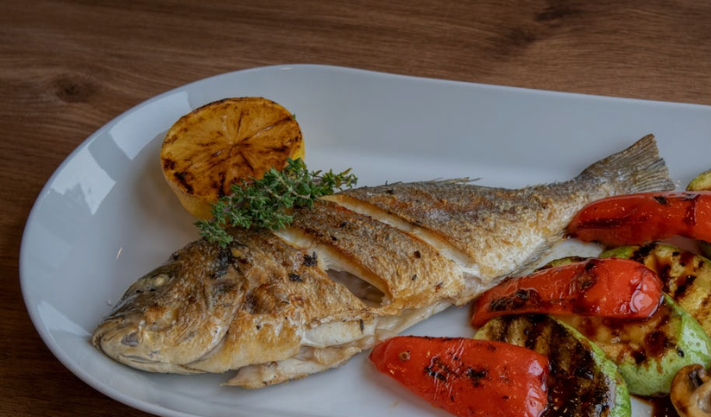
How to Get Perfect Crispy Skin on Fish Every Time
Crispy-skinned fish is one of the most satisfying textures in cooking. When done right, the skin becomes golden, crunchy, and full of flavor while the fish inside remains moist and tender. Yet for many home cooks, achieving perfectly crisp fish skin can feel like a challenge. The skin sticks to the pan, turns soggy, or overcooks before it crisps.
The good news is that getting perfect crispy skin on fish isn’t complicated—it just requires a few simple techniques and attention to detail. With the right preparation, heat, and timing, you can achieve restaurant-quality results every time.
Choose the Right Fish
Not all fish crisp the same way. Fish with natural oils and firm skin tend to crisp better when cooked in a pan. Some of the best options include salmon, sea bass, snapper, trout, and branzino. These fish have skin that can become beautifully crisp when exposed to high heat.
When buying fish, look for fillets with the skin still attached and as dry and fresh as possible. Fresh fish should smell clean and ocean-like, not overly fishy. Thicker fillets are also easier to cook because they allow the skin to crisp without overcooking the flesh.
Dry the Skin Thoroughly
Moisture is the biggest enemy of crispy fish skin. If the skin is wet, it will steam rather than crisp.
Before cooking, pat the fish dry with paper towels, especially the skin side. Some chefs even recommend letting the fish sit uncovered in the refrigerator for about an hour before cooking. This helps dry out the skin further and improves crispiness.
Right before placing the fish in the pan, pat it dry once more to remove any remaining moisture.
Season at the Right Time
Salt plays an important role in achieving crispy skin. However, timing matters. If you salt the skin too early, it can draw moisture out and make the surface damp again.
The best approach is to season the fish just before cooking. Sprinkle salt evenly over both sides of the fillet. Some cooks like to add a light dusting of flour or cornstarch on the skin side, which can enhance crispiness, but it’s not always necessary.
Use the Right Pan
A heavy pan distributes heat evenly and helps the skin cook properly. Stainless steel or cast iron pans are excellent choices for crispy fish skin because they can hold high heat.
Nonstick pans can also work, especially for beginners, because they reduce the risk of sticking. However, they may not always deliver the same level of browning as stainless steel or cast iron.
Whichever pan you use, make sure it is large enough so the fish fillets are not crowded. Crowding the pan traps steam and prevents crisping.
Preheat the Pan Properly
One of the most important steps is heating the pan before adding the fish. Place the pan over medium-high heat and allow it to get hot before adding oil.
Once the pan is hot, add a thin layer of high smoke point oil such as vegetable oil, canola oil, or grapeseed oil. The oil should shimmer but not smoke heavily.
A properly heated pan ensures that the fish skin begins crisping immediately when it touches the surface.
Start Skin-Side Down
Always place the fish in the pan skin-side down first. This is where most of the cooking happens.
Gently lay the fish away from you to avoid oil splatter. As soon as the fish hits the pan, press it lightly with a spatula for about 10–15 seconds. This prevents the skin from curling and ensures full contact with the pan.
Then let the fish cook undisturbed. This is another key rule—avoid moving or flipping the fish too early. The skin needs time to form a crisp crust.
Be Patient
Depending on the thickness of the fillet, the fish may need about 4–6 minutes on the skin side. During this time, you’ll see the flesh gradually turn opaque from the bottom up.
When the skin is properly crisped, the fish will naturally release from the pan. If it sticks, it likely needs more time.
Resist the temptation to poke or move it too often.
Flip at the End
Most of the cooking should happen on the skin side. Once the skin is golden and crisp, flip the fish carefully using a spatula.
The flesh side usually only needs about 30 seconds to 1 minute to finish cooking. This brief cooking time prevents the fish from drying out while keeping the skin perfectly crisp.
Add Flavor with Butter and Aromatics
For extra flavor, you can add butter, garlic, and herbs during the final minute of cooking. Tilt the pan slightly and spoon the melted butter over the fish.
This technique, known as basting, enhances both flavor and aroma without softening the crispy skin.
Serve Immediately
Crispy fish skin is best enjoyed right away. If the fish sits too long, steam can soften the crust you worked so hard to create.
Place the fish skin-side up on the plate to preserve the crisp texture.
Common Mistakes to Avoid
Several common mistakes can prevent fish skin from becoming crispy. These include cooking fish that is too wet, using a pan that isn’t hot enough, overcrowding the pan, or flipping the fish too early.
Another mistake is using too much oil. A thin layer is all you need for proper browning.
Final Thoughts
Achieving perfectly crispy fish skin is all about controlling moisture, heat, and timing. With dry skin, a hot pan, and a little patience, you can create beautifully crisp fish that rivals dishes served in restaurants.
Once you master these techniques, crispy-skinned fish will become one of the easiest and most impressive meals you can cook at home. Whether you’re preparing salmon for a weeknight dinner or serving sea bass for guests, the combination of crunchy skin and tender fish is guaranteed to impress.
Also Read:
UK job market struggles as firms remain cautious on hiring
Stock Markets Fall as $100 Oil Clouds UK Rate Cut Outlook
8 Best Body Creams That Deeply Hydrate Dry Skin