A possible war in the Middle East could slow down or even cancel the expected improvement in living standards in the United Kingdom. Experts say rising oil and gas prices may remove the small financial gains that many households were hoping to see this year.
A major research organization, the Resolution Foundation, has warned that the crisis in the Middle East could cause a big increase in energy prices. If that happens, the expected rise in living standards for many UK families could disappear.
According to the thinktank, a typical working-age household in the UK could see living standards increase by about £300 this year. However, this improvement may not happen if oil and gas prices continue to rise due to tensions involving Iran and the wider Middle East region.
Energy markets are very sensitive to global conflicts. When supply routes are disrupted or threatened, prices often rise quickly. If the conflict affects the flow of oil and gas from the region, it could lead to higher costs for households across the UK.
The Resolution Foundation said that 2026 was expected to bring a “decent” one-time improvement in living standards for many people. Lower-income families were expected to see even bigger gains. But rising energy prices could reverse these improvements.
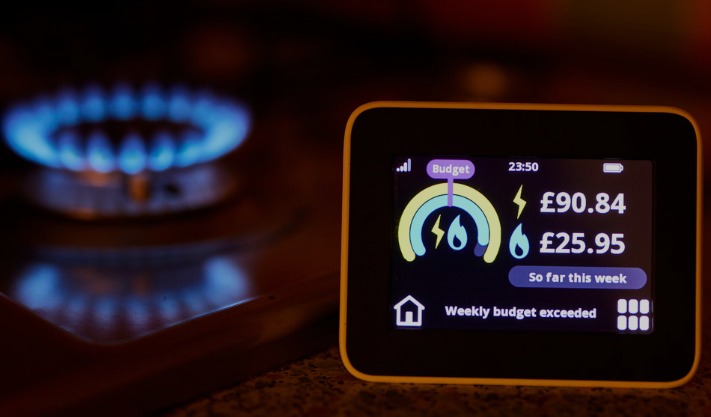
Energy costs play a large role in the cost of living. When gas and oil become more expensive, households often face higher electricity and heating bills. Businesses also face higher costs, which can lead to higher prices for food, transport, and other everyday goods.
Experts say that if the recent increase in global energy prices continues, the financial gains households expected this year could completely disappear.
The thinktank noted that the situation may not be as severe as the energy crisis that followed Russia’s invasion of Ukraine. That event caused massive increases in the prices of food, oil, and gas across Europe and the UK.
However, even a smaller increase in energy prices could still have a noticeable impact. According to the Resolution Foundation, higher oil and gas prices this year could add about one percentage point to inflation in the UK. Inflation measures how quickly prices are rising.
If this happens, the typical household could see around £500 added to its yearly energy bills.
The UK is particularly vulnerable to disruptions in Middle Eastern energy supplies. One important reason is the Strait of Hormuz, a narrow waterway between the Persian Gulf and the Gulf of Oman.
Around 20% of the world’s liquid natural gas passes through this route. If the strait were blocked or restricted because of conflict, global energy supplies could be significantly disrupted.
Since the UK relies on imported energy, any disruption in supply could quickly increase prices.
Despite these risks, the Resolution Foundation’s analysis of the UK’s spring economic forecast shows that living standards were expected to improve this year before the recent rise in energy prices.
The thinktank estimates that typical working-age households could see their living standards increase by about £300 over the next year. This would represent a rise of around 0.9%.
Lower-income households were expected to benefit even more. Their living standards could rise by about £800, which is roughly a 3.9% increase.
This larger increase is mainly due to changes in government policies. One important change is the removal of the two-child benefit cap, which had limited the amount of support families could receive for children.
In addition, Universal Credit payments are expected to increase at a rate higher than inflation. Universal Credit is a key welfare benefit that supports low-income households in the UK.
Because of these policy changes, the coming year could have been one of the best years for improving living standards among poorer families in the past two decades.
However, experts say rising energy prices could threaten these improvements.
James Smith, research director at the Resolution Foundation, said the government should think about creating a “social tariff” for energy. This would provide targeted support to households that need help the most.
A social tariff would offer lower energy prices to families with low incomes or higher energy needs.
Smith said that providing support to everyone equally, instead of targeting those who need help the most, can become extremely expensive for the government.
He pointed to past policies as an example. During previous energy crises, the government provided support to households across the country. While this helped many families, it also cost the government billions of pounds.
Smith suggested that future policies should focus on targeted help instead.
“There is pressure from different political groups asking why the government is being careful about borrowing and spending,” he said. “But situations like an energy crisis show why it is important to keep finances under control.”
The Institute for Fiscal Studies (IFS), another respected economic thinktank, shared similar concerns.
The IFS warned that broad energy support programs can be extremely costly. When the UK government introduced energy support after Russia’s invasion of Ukraine, the total cost reached around £35 billion.
Helen Miller, director at the IFS, explained that such spending has contributed to the rise in government debt in recent years.
Government debt increases when the state spends more money than it receives through taxes.
Miller said that repeated economic shocks have made it difficult to control public debt. These shocks include global conflicts, rising energy prices, and economic instability.
She warned that the current situation cannot continue forever.
According to Miller, future government support should be carefully targeted to those who need it the most rather than given to everyone.
The IFS also examined the government’s plan to increase defence spending.
The UK government has promised to raise defence spending to 3% of the country’s total economic output, known as Gross Domestic Product (GDP).
If the government decides to reach this target earlier, by 2030, it could cost an additional £14 billion per year.
According to the IFS, this could force the government to reduce spending in other areas or increase taxes to cover the cost.
Ruth Curtice, chief executive of the Resolution Foundation, said the economic outlook for the UK remains uncertain.
She explained that recent economic forecasts may already be outdated due to the rapidly changing global situation.
Curtice said that the coming year could still be positive for living standards if wages and benefits continue to rise faster than inflation.
However, she warned that another energy price shock could quickly change that situation.
“A fresh increase in energy prices could undermine the good news for many families,” she said.
Another charity, the Joseph Rowntree Foundation, suggested that the situation could be even more difficult than current forecasts suggest.
The organization argued that government estimates about rising living standards may be too optimistic.
Chancellor Rachel Reeves has said that living standards could increase by about £1,000 per year by the time of the next general election.
However, the Joseph Rowntree Foundation said this figure does not fully reflect the financial pressures many households face.
One major issue is housing costs, which continue to rise in many parts of the UK.
According to the foundation’s analysis, average household disposable income may increase by only about £40 per year during the current parliamentary period.
This period runs from April 2024 to April 2029.
Disposable income refers to the amount of money households have left after paying taxes.
However, the government’s calculation of living standards is based on “real household disposable income,” which adjusts wages for inflation but does not include housing costs.
For many families, housing expenses such as rent or mortgage payments represent one of their largest monthly costs.
Because these costs are not fully included in the government’s calculations, some experts believe the official figures may present a more positive picture than many households actually experience.
Overall, economists say the UK’s economic outlook depends heavily on global events.
If energy prices remain stable, living standards could improve for many families this year.
But if conflict in the Middle East continues to push energy prices higher, those gains could quickly disappear.
Published: 6th March 2026
For more article like this please follow our social media Twitter, Linkedin & Instagram
Also Read:
Top Beauty Benefits of Vitamin E for Skin and Hair
Time as Ontology in the Research of Matteo Ciampica
UK energy bills to drop £117 from April for millions