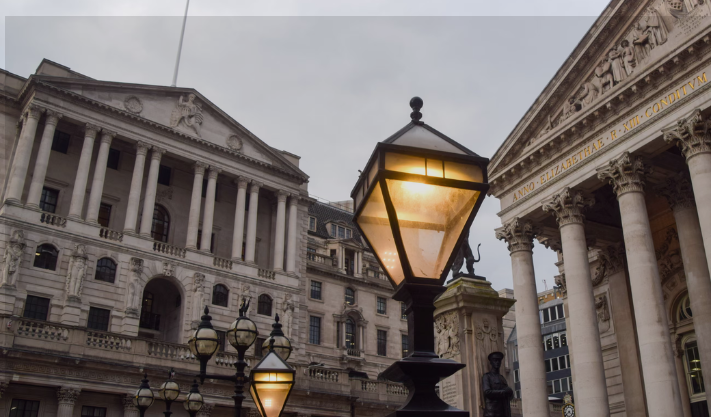
Bank of England keeps interest rates at 3.75% and warns they may rise soon
The Bank of England has decided to keep interest rates at 3.75% for now. However, it has warned that rates could go up in the coming months. This is because of growing concerns about rising inflation caused by the ongoing conflict in the Middle East, especially the war involving Iran.
The Bank’s Monetary Policy Committee (MPC), which is responsible for setting interest rates, voted unanimously to keep the rate unchanged. At the same time, members showed concern about rising energy prices, which have increased due to the conflict. Higher energy prices often lead to higher costs for households and businesses, pushing inflation up.
After the announcement, the British pound increased in value against the US dollar. However, borrowing costs for the UK government went up, and the FTSE 100 stock market index fell. This happened because financial markets believe the Bank of England may need to raise interest rates twice this year to control inflation.
If rates rise, it will add more pressure on households already struggling with the cost of living. Many people are already dealing with high prices for food, energy, and housing. Financial markets expect the Bank to increase rates by 0.25% as early as June, followed by another increase that could take rates to 4.25%.
The Bank of England said the current situation is a “new shock” to the economy. It expects inflation to rise more than previously predicted in the short term. This means everyday goods and services may become more expensive for consumers.
Andrew Bailey, the Governor of the Bank of England, explained that the war in the Middle East has caused global energy prices to rise. He said people can already see the impact when they buy petrol, and if the situation continues, household energy bills could go up later in the year.
He also said that the best way to deal with the problem is to improve energy supply. For now, the Bank has decided to wait and see how the situation develops before making any changes to interest rates. He made it clear that the Bank’s main goal is to bring inflation back to its target level of 2%.
The Bank also said it is ready to take action if needed. However, Bailey later warned that financial markets may be moving too quickly in expecting multiple rate increases. He advised people not to make strong assumptions about future rate hikes and said that keeping rates unchanged is the right decision for now.
Before this decision, financial markets were almost certain that the Bank would keep rates steady. Earlier expectations had suggested that rates might even be cut, as inflation had been slowing, job growth was weaker, and the economy was not growing strongly. However, the outbreak of the war changed these expectations.
New data released on the same day showed that wage growth in the UK slowed significantly in the three months leading up to January. At the same time, unemployment stayed at 5.2%, which is the highest level in five years. These figures show that the job market is weakening.
Before the conflict, inflation was expected to fall from around 3% to close to 2% starting in April. This was partly due to measures announced by Chancellor Rachel Reeves in her autumn budget, which aimed to reduce household energy costs. However, rising energy prices have now changed that outlook.
The Bank now expects inflation to remain above its 2% target for a longer period. It believes inflation could stay more than one percentage point higher than the target throughout 2026. This means people may continue to face higher living costs for some time.
Daisy Cooper, a spokesperson for the Liberal Democrats on Treasury matters, said that many people will need to reduce their spending because of rising costs. She blamed global political factors, including actions linked to former US President Donald Trump, for putting pressure on the economy and forcing the Bank of England into a difficult position.
Within the Bank’s Monetary Policy Committee, there were different opinions. Some members, including deputy governors Sarah Breeden and Dave Ramsden, had earlier supported lowering interest rates before the war began. However, the situation has changed due to rising inflation risks.
Other members believe that interest rates may need to increase if inflation continues to rise. One of them is economist Swati Dhingra, who had previously supported cutting rates but now sees the need to respond to inflation pressures.
Megan Greene, another member of the committee, said that households and businesses are likely to react more strongly to rising inflation now. This is because they have already faced several economic shocks in recent years. She pointed out that inflation has been above the Bank’s target for almost five years, which has made people more sensitive to price increases.
Experts say that higher interest rates will make it more expensive to borrow money. This includes loans, credit cards, and mortgages. As a result, it could slow down economic growth even further. The UK economy has already had a weak start to the year, and rising borrowing costs could make the situation worse.
This also creates challenges for the government. Rachel Reeves is currently considering ways to support households, especially those who are most vulnerable to rising energy costs. Any support package will need to balance helping people while managing public finances.
Kathleen Brooks, a research director at the trading platform XTB, said that mortgage rates for five-year fixed deals in the UK are reaching their highest levels since early 2025. This makes it harder for people to afford homes or manage their existing loans.
She also said that higher interest rates could harm the government’s economic growth plans. The strategy depended on lower borrowing costs to encourage spending and investment. With rates likely to rise instead, achieving strong growth may become more difficult.
In summary, the Bank of England has chosen to keep interest rates unchanged for now, but rising inflation caused by global events may force it to increase rates soon. This could lead to higher costs for households and businesses, adding more pressure to an already challenging economic situation.
Also Read:
UK Pay Growth Hits 5-Year Low Amid Hiring Slowdown
How to Open a Bank Account in the UK
UK Urged to Launch Social Tariff to Cut Energy Bills