Sixth-Form Pupil Second Person to Die from Kent Meningitis Outbreak, MP Says
The tragic death of a sixth-form pupil in Kent has drawn widespread concern across the United Kingdom after authorities confirmed it was linked to a meningitis outbreak that has already claimed two lives and left several others seriously ill. The situation has raised urgent questions about student safety, public health responses, vaccination awareness, and the rapid spread of infectious diseases in environments where young people gather. Health authorities, local politicians, and educational institutions are now working together to contain the outbreak and ensure students receive the information and medical support they need. Below are the key points that explain the outbreak, its impact, and the response from officials.
Second Death Confirmed in Kent Outbreak
The most alarming development in the outbreak was the confirmation that a sixth-form student had died after contracting meningitis, making them the second fatality linked to the incident. The news was confirmed by a local Member of Parliament, who expressed deep sadness and concern about the tragedy affecting young people in the community. The student reportedly attended Queen Elizabeth’s Grammar School in Faversham, and their death has shaken both the school and the wider region.
Earlier Death of a University Student
Before the school pupil’s death was confirmed, a student from the University of Kent in Canterbury had already died from the same outbreak. This earlier death raised immediate alarm among public health officials because meningitis can spread rapidly in places where students live and socialize closely together, such as university campuses. The deaths of two young individuals within a short period highlighted the seriousness of the situation and prompted authorities to take swift action.
Multiple People Hospitalized with Severe Illness
Health officials reported that around 11 additional people were hospitalized with severe symptoms related to the outbreak. Many of these individuals were described as “seriously ill,” which intensified fears about the potential spread of the disease among students in the Canterbury area. Hospitals and medical teams have been closely monitoring these patients while providing urgent treatment and support.
Total Cases Linked to the Outbreak
According to health authorities, at least 13 suspected or confirmed cases of meningococcal disease were identified during the outbreak. This cluster of cases occurred within a short time frame, prompting officials to investigate how the infection spread and who might have been exposed. Public health experts believe that outbreaks like this can occur quickly when large groups of people gather in close contact environments.
Possible Link to Social Events
Investigators suspect that some of the infections may be connected to a social gathering or party in Canterbury, where several individuals who later became ill were present. In particular, attention has been drawn to a popular student nightclub where infected individuals reportedly spent time before developing symptoms. While authorities have not confirmed the exact source, they believe the event may have helped the bacteria spread among attendees.
Rapid Public Health Response
The UK Health Security Agency (UKHSA) quickly launched an investigation after the outbreak was identified. Public health teams began tracing the contacts of infected individuals, identifying people who might have been exposed to the bacteria. These efforts included interviewing patients, contacting students, and coordinating with local hospitals and educational institutions to contain the outbreak as quickly as possible.
Antibiotics Distributed to Students
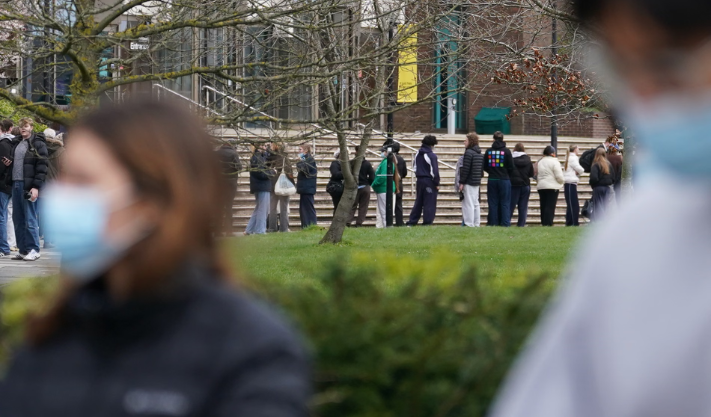
To prevent further infections, authorities offered preventive antibiotics to people considered close contacts of the infected individuals. Hundreds of students queued on campus to receive medication as a precautionary measure. Health officials explained that antibiotics can significantly reduce the risk of developing the disease when taken soon after exposure.
Communication with Thousands of Students
In response to the outbreak, officials contacted tens of thousands of students, staff members, and families associated with the university and nearby schools. These communications included guidance about symptoms, advice on when to seek medical help, and instructions about vaccination and preventive treatment. Authorities hoped that widespread awareness would help identify new cases quickly and prevent further spread.
What Meningitis Is and Why It Is Dangerous
Meningitis is a serious infection that causes inflammation of the membranes surrounding the brain and spinal cord. It can be caused by viruses or bacteria, but bacterial meningitis is the most dangerous form because it can lead to severe complications such as blood poisoning (septicaemia), brain damage, or death if not treated quickly. The outbreak in Kent is believed to involve invasive meningococcal disease, which is a rare but aggressive bacterial infection.
Symptoms People Should Watch For
Health authorities have urged students and residents to be alert for symptoms that may indicate meningitis. These symptoms include:
- High fever
- Severe headache
- Vomiting
- Sensitivity to bright light
- Stiff neck
- Rash that does not fade when pressed
- Confusion or difficulty waking
Because early symptoms may resemble flu, a cold, or even a hangover, doctors warn that students may ignore warning signs until the illness becomes severe. Immediate medical attention is essential if symptoms appear.
Young People Are Particularly at Risk
Experts explain that teenagers and young adults are especially vulnerable to meningitis outbreaks. This is partly because they often live, study, and socialize in close contact with many others. Dormitories, classrooms, parties, and shared accommodation create environments where bacteria can spread easily through coughing, sneezing, or close personal contact.
Vaccination and Prevention Efforts
Vaccination remains one of the most effective ways to prevent meningitis. In the UK, vaccines such as MenACWY and MenB help protect against different strains of meningococcal bacteria. However, experts note that not all students receive every vaccine, which may increase vulnerability during outbreaks. Public health officials have encouraged anyone unsure about their vaccination status to contact their doctor.
Community Reaction and Support
The deaths have deeply affected the local community. Schools, universities, and local leaders have expressed condolences to the families of those who died. Support services have also been offered to students and staff who may be struggling emotionally following the tragic news. The situation has reminded many people of how quickly infectious diseases can affect young and otherwise healthy individuals.
Ongoing Investigation and Monitoring
Health officials continue to investigate the outbreak and monitor the situation carefully. Scientists are still working to identify the exact strain of meningococcal bacteria responsible. Determining the strain will help authorities understand how the disease spread and whether existing vaccines offer protection against it. Until then, public health teams remain focused on prevention and rapid treatment.
Importance of Awareness and Early Treatment
The Kent outbreak highlights the importance of early diagnosis and immediate treatment for meningitis. Doctors emphasize that when the disease is recognized quickly, antibiotics and hospital care can save lives. Public health officials are encouraging students, parents, and educators to stay vigilant and seek medical help without delay if symptoms appear.
Conclusion:
The meningitis outbreak in Kent has become a major public health concern after the deaths of a sixth-form pupil and a university student. With multiple individuals hospitalized and several cases under investigation, authorities have responded rapidly with antibiotics, contact tracing, and awareness campaigns. While meningitis is rare, its rapid progression makes early detection and prevention essential. The tragedy serves as a reminder of the importance of vaccination, public health preparedness, and community awareness in protecting young people from serious infectious diseases.
Also Read:-
War Prompts Europeans to Switch Holidays Away From the Eastern Mediterranean
Top 10 Business Leaders & CEOs in the UK You Should Know
BTS Comeback After 3 Years: Live Netflix Concert and Documentary Announced