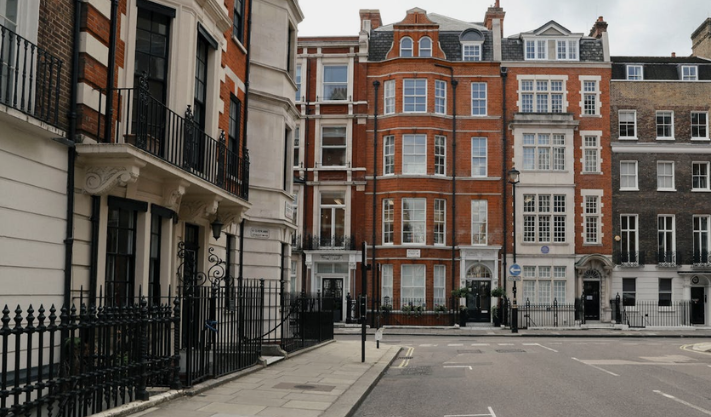
Top 8 Emerging Property Hotspots Outside London
For decades, London has dominated the UK property conversation. But rising prices, tighter yields, and changing lifestyles have pushed buyers and investors to look beyond the capital. The result? A new wave of regional cities and towns is quietly transforming into property hotspots—offering strong capital growth, healthy rental demand, and far better value for money.
Driven by infrastructure investment, regeneration projects, thriving job markets, and lifestyle appeal, these locations are no longer “alternatives” to London—they’re destinations in their own right. Below are eight emerging property hotspots outside London that are attracting homeowners, landlords, and institutional investors alike.
1. Manchester – The Northern Powerhouse Leader
Manchester continues to set the benchmark for regional property growth. With a diversified economy spanning finance, media, technology, and education, the city attracts young professionals, students, and international talent.
Large-scale regeneration schemes such as MediaCityUK, the Northern Gateway, and ongoing city-centre development have reshaped the skyline. Rental demand remains exceptionally strong, driven by a growing population and limited housing supply.
Property prices, while rising, are still significantly lower than London, and rental yields often exceed 6%. Manchester’s connectivity—particularly fast rail links to London—further cements its position as a long-term investment hotspot.
2. Birmingham – HS2 and Urban Renewal
Birmingham is undergoing one of the most ambitious transformations in the UK. The HS2 high-speed rail project, despite delays, continues to influence investor confidence by reducing travel times to London and improving national connectivity.
Major regeneration zones such as Digbeth, Smithfield, and Paradise are bringing new homes, offices, and cultural spaces to the city. Birmingham also boasts a large student population and a growing professional workforce, sustaining consistent rental demand.
With average property prices still well below the national average for major cities, Birmingham offers an attractive balance of affordability and growth potential.
3. Leeds – A Financial and Legal Hub in the North
Leeds has emerged as a powerhouse for finance, legal services, healthcare, and digital industries. Often referred to as the UK’s largest financial centre outside London, the city enjoys a stable employment base and strong inward investment.
The city centre has seen significant residential development, particularly in build-to-rent schemes catering to young professionals. Demand continues to outstrip supply, supporting both rental growth and capital appreciation.
Leeds also benefits from excellent transport links across Yorkshire and the North, making it an appealing option for commuters and businesses alike.
4. Bristol – Lifestyle Meets Economic Strength
Bristol combines economic resilience with an exceptional quality of life. Its strengths in aerospace, technology, creative industries, and green innovation have made it one of the most desirable cities in the UK.
Property prices are higher than in many northern cities, but demand remains intense, driven by limited land availability and strong population growth. Rental properties, particularly family homes and high-quality apartments, are highly sought after.
For investors, Bristol offers lower yields but strong long-term capital growth—appealing to those focused on stability rather than short-term returns.
5. Nottingham – Affordability and High Yields
Nottingham stands out for its affordability and impressive rental yields. With two major universities and a growing graduate retention rate, the city has a steady pipeline of renters.
Ongoing regeneration projects, including Broad Marsh and city-centre redevelopment, are enhancing Nottingham’s appeal. Transport improvements and proximity to major employment hubs in the Midlands further strengthen its position.
For first-time investors or those seeking higher yields with lower entry costs, Nottingham offers a compelling opportunity.
6. Sheffield – Regeneration Driving Renewed Interest
Sheffield is in the midst of a quiet but impactful transformation. Once heavily industrial, the city has diversified into advanced manufacturing, digital technology, and education.
Major regeneration initiatives such as the Heart of the City project and improvements around Kelham Island have attracted new residents and businesses. Property prices remain relatively low, but rising demand is beginning to push values upward.
Sheffield’s strong student population and improving city-centre amenities make it increasingly attractive to buy-to-let investors.
7. Liverpool – Waterfront Growth and Cultural Appeal
Liverpool’s property market has matured significantly over the past decade. Regeneration of the waterfront, expansion of the knowledge economy, and continued investment in tourism and culture have revitalised the city.
The Baltic Triangle, in particular, has become a hotspot for creative industries and young professionals. Property prices remain accessible, while rental yields often rank among the highest in the UK.
Liverpool’s affordability and lifestyle appeal continue to draw both domestic and overseas investors.
8. Milton Keynes – Commuter Growth and Future Planning
Milton Keynes has evolved far beyond its “new town” reputation. With excellent road and rail links to London, strong employment growth, and ambitious long-term planning, it is becoming a magnet for families and professionals.
The city benefits from ongoing commercial development, tech sector growth, and a young, expanding population. The proposed East West Rail project is expected to further enhance connectivity and demand.
While yields may be more moderate, Milton Keynes offers stability, strong tenant demand, and consistent price growth—particularly appealing to long-term investors.
Final Thoughts
The UK property market is no longer London-centric. As affordability pressures, remote working, and regional investment reshape buyer priorities, cities outside the capital are stepping into the spotlight.
Whether you’re an investor chasing higher yields, a homeowner seeking better value, or a developer looking for growth opportunities, these emerging hotspots offer compelling alternatives to London. The key lies in understanding local fundamentals—employment, infrastructure, supply constraints, and lifestyle appeal—before making your move.
One thing is clear: the future of UK property growth is increasingly regional, and those who look beyond London now may reap the greatest rewards in the years ahead.
Published: 11th February 2026
For more article like this please follow our social media Twitter, Linkedin & Instagram
Also Read:
Experts warn over UK exports linked to Russia’s war industry
Bank of England holds rates at 3.75% amid inflation fears
10 Wellness Trends That Will Define 2026