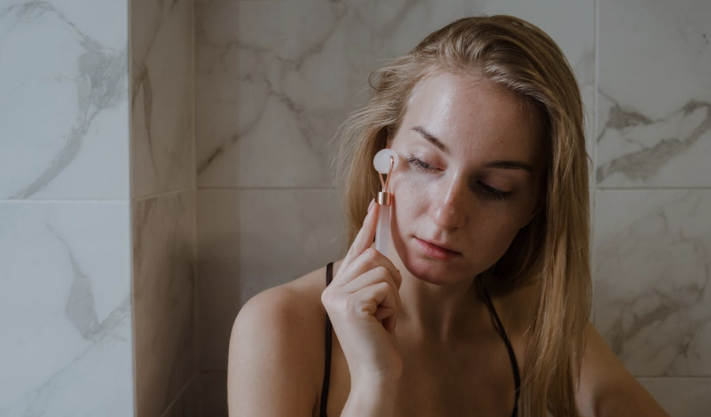
Skincare Secrets 2026: Dermatologists Don’t Want You to Know
In 2026, skincare has evolved into a billion-dollar industry driven by innovation, social media trends, and an ever-growing desire for flawless skin. From high-tech serums to personalized routines powered by AI, it feels like we’ve reached peak sophistication. Yet, beneath all the glossy marketing and clinical claims lies a quieter truth: many of the most effective skincare “secrets” are surprisingly simple—and not always profitable for the industry.
Here’s a deeper look at what often goes unsaid.
1. Simplicity Often Beats Complexity
The skincare world thrives on multi-step routines—10, 12, even 15 products layered morning and night. While this may look impressive on your bathroom shelf, most skin doesn’t need that much.
In reality, a basic routine of cleanser, moisturizer, sunscreen, and one targeted treatment (like retinol or vitamin C) is enough for the majority of people. Overloading your skin can actually damage the barrier, leading to irritation, breakouts, and sensitivity.
The truth? Many products in elaborate routines offer diminishing returns. But fewer products mean fewer sales—so simplicity isn’t heavily promoted.
2. Expensive Doesn’t Mean Better
Luxury skincare brands often position themselves as more effective due to rare ingredients or advanced formulations. However, many dermatologists quietly acknowledge that affordable products can deliver nearly identical results.
Ingredients like hyaluronic acid, niacinamide, and ceramides work the same regardless of the brand name on the bottle. What matters is formulation stability and concentration—not the price tag.
You’re often paying for packaging, branding, and marketing rather than superior efficacy.
3. Sunscreen Is Still the Ultimate Anti-Aging Product
Despite all the innovation in anti-aging treatments, one fact remains unchanged: daily sunscreen is the most effective way to prevent wrinkles, pigmentation, and premature aging.
Yet, it’s not as glamorous as a “miracle serum,” so it doesn’t get the same hype. Many people still underestimate its importance or use it inconsistently.
No cutting-edge ingredient can fully compensate for UV damage. Sunscreen isn’t optional—it’s foundational.
4. Skin Barrier Health Is Everything
In recent years, there’s been a growing focus on the skin barrier—and for good reason. A healthy barrier keeps moisture in and irritants out, directly impacting how your skin looks and feels.
Over-exfoliation, harsh cleansers, and excessive actives can weaken this barrier. Ironically, many people damage their skin while trying to improve it.
The “secret” is to prioritize gentle care: avoid stripping products, use moisturizers with barrier-supporting ingredients, and give your skin time to recover.
5. Trends Are Not Universal Solutions
Social media has made skincare trends spread faster than ever. One week it’s slugging, the next it’s skin cycling or using ice facials. While some trends have merit, they aren’t one-size-fits-all.
Skin type, climate, age, and underlying conditions all influence what works. What clears one person’s acne could trigger another’s breakout.
Dermatologists know this, but trends drive engagement and product sales. The quiet truth is that personalized routines—often less exciting—are far more effective.
6. “Natural” Isn’t Always Safer
There’s a strong movement toward natural and organic skincare, often marketed as gentler and healthier. But natural ingredients can be just as irritating—or even more so—than synthetic ones.
Essential oils, for example, can cause sensitivity and allergic reactions in some people. Meanwhile, lab-formulated ingredients are often designed for stability and safety.
The idea that “natural equals better” is appealing, but it’s not always scientifically accurate.
7. Consistency Matters More Than Innovation
New ingredients and technologies are constantly emerging, promising faster and better results. But consistency still outweighs novelty.
Using a proven routine regularly will deliver better long-term results than frequently switching products in search of something “better.”
Skin takes time to respond—weeks, sometimes months. Jumping from product to product disrupts that process and can lead to more harm than good.
8. Diet and Lifestyle Play a Bigger Role Than Advertised
Skincare products can only do so much. Factors like sleep, stress, hydration, and diet significantly impact your skin.
Chronic stress can trigger breakouts and inflammation. Poor sleep affects skin repair. Diets high in sugar and processed foods may worsen certain skin conditions.
These factors are harder to package and sell, so they’re often downplayed. But they’re crucial for healthy skin.
9. Not All Active Ingredients Need to Be Combined
Layering multiple active ingredients—like retinol, acids, and vitamin C—has become popular. While this can be effective when done correctly, it’s also easy to overdo.
Combining too many actives can irritate the skin, causing redness, peeling, and sensitivity. In some cases, it can even worsen the very issues you’re trying to fix.
A more strategic approach—using actives on different days or focusing on one at a time—is often safer and more effective.
10. Skin Doesn’t Need to Be “Perfect”
Perhaps the biggest unspoken truth is that perfect skin is largely a myth. Pores, texture, occasional breakouts—these are normal.
The skincare industry often promotes unrealistic standards, making people feel like they need constant improvement. This fuels demand for more products and treatments.
Dermatologists understand that healthy skin isn’t flawless—it’s balanced and resilient. Accepting this can reduce unnecessary stress and over-treatment.
Final Thoughts
Skincare in 2026 is more advanced than ever, but the fundamentals remain unchanged. Gentle care, consistent routines, sun protection, and realistic expectations form the foundation of healthy skin.
The real “secrets” aren’t hidden in expensive jars or viral trends—they’re in understanding your skin, keeping things simple, and resisting the urge to overcomplicate.
In a world full of promises and marketing, sometimes the best approach is also the most understated: less, but better.
Also Read:
UK Urged to Launch Social Tariff to Cut Energy Bills
UK Housing Costs Rise 41% in Five Years for Renters
How to Open a Bank Account in the UK