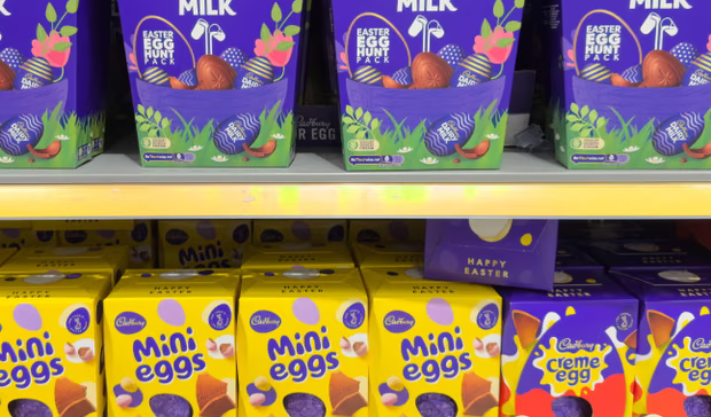
Shrinkflation Takes a Bite Out of Easter Eggs as Shoppers Pay More for Less
As Easter approaches, shoppers are noticing something unusual: chocolate eggs that once seemed generous are now smaller, yet prices remain the same or even higher. This subtle trend, known as shrinkflation, is quietly changing how consumers experience one of the season’s most anticipated treats. While the festive displays are still colorful and appealing, the reality inside the packaging is increasingly leaving customers paying more for less chocolate.
This situation reflects a growing economic pattern. When production costs rise, companies often reduce product size instead of directly increasing prices. For seasonal treats like Easter eggs, this approach allows manufacturers to protect profits without immediately alarming buyers.
Rising production costs drive shrinkflation
Chocolate manufacturers are facing mounting costs that make shrinkflation almost inevitable:
- Cocoa prices have surged due to poor harvests and climate challenges in key producing regions like West Africa.
- Sugar and milk costs have increased significantly over the past year.
- Energy and transportation expenses have also risen, adding pressure to production budgets.
- Packaging costs for foil, boxes, and inserts continue to climb.
Rather than raising prices outright, manufacturers often reduce the size or weight of Easter eggs, subtly passing costs onto consumers.
How shrinkflation affects shoppers
- Easter eggs now often weigh 10–20% less than previous years, even though the price remains similar.
- Consumers frequently fail to notice these reductions initially because packaging appears unchanged.
- Over time, families buying multiple treats experience higher costs per gram of chocolate, which can impact holiday budgets.
- Shoppers may feel disappointed or misled when comparing current products with older purchases.
Retail strategies and consumer perception
- Retailers use promotions and bundles to attract buyers, which can obscure shrinkflation.
- Consumers tend to focus on price rather than quantity, making it easier for size reductions to go unnoticed.
- Some stores now offer a wider range of sizes and price points, from small budget eggs to premium, larger options.
- The subtle reductions often lead to frustration among loyal customers who notice less chocolate for the same spend.
Consumer adaptation to shrinkflation
- Awareness of shrinkflation is driving changes in shopping behavior:
- Checking the price per gram rather than total price.
- Choosing store brands or alternative products that offer better value.
- Buying fewer, higher-quality chocolates instead of multiple standard eggs.
- Supporting artisanal or local chocolate makers that emphasize quality over quantity.
Social media has amplified these comparisons, prompting more informed purchasing decisions and placing pressure on manufacturers to maintain transparency.
Impact on the chocolate industry
- Shrinkflation allows companies to maintain profits amid rising costs, but risks erodi1ng trust.
- Some brands are now introducing smaller portions with clearer labels to be more transparent.
- Others continue subtle size reductions, hoping changes remain unnoticed.
- Long-term brand loyalty could be affected as consumers seek better value elsewhere.
Wider economic implications
- Shrinkflation in Easter eggs reflects a broader economic trend affecting multiple products:
- Hidden inflation increases the true cost of living, especially during seasonal shopping.
- It challenges traditional measures of inflation, as size reductions are less visible than direct price hikes.
- Transparency and consumer awareness are becoming critical to maintain trust in the marketplace.
Conclusion
Shrinkflation is quietly transforming Easter shopping. Consumers are paying more for less chocolate, often without realizing it at first. While rising production costs make this trend understandable, it changes how shoppers perceive value. As awareness grows, buyers are becoming more selective and demanding transparency. For now, Easter eggs may appear the same on the outside, but inside, there is a little less to enjoy.
Also Read:-
Bank of England keeps interest rates at 3.75% and warns they may rise soon
UK Pay Growth Sinks to Five-Year Low as Younger Workers Hit by Hiring Slowdown
Skincare Secrets 2026: Dermatologists Don’t Want You to Know