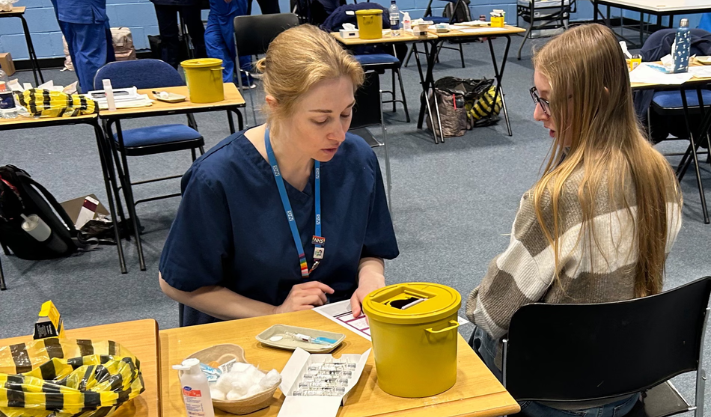
No Additional Meningitis Cases Connected to Kent Outbreak, Health Officials Report
Understanding the Situation
Health authorities have confirmed that no new cases of Meningitis have been linked to the recent outbreak in Kent, providing a strong sense of reassurance to residents and the broader public. The initial cluster of cases had raised understandable concerns due to the potentially serious and fast-progressing nature of the disease. Meningitis, which affects the protective membranes surrounding the brain and spinal cord, can escalate rapidly if not identified and treated in time. Because of this, even a small outbreak tends to trigger heightened alertness among public health officials. In Kent, however, swift intervention, clear communication, and coordinated healthcare efforts have ensured that the situation remains contained and under control.
Swift Public Health Response
One of the most critical elements in managing the Kent outbreak has been the speed and efficiency of the response from health authorities. As soon as the initial cases were identified, public health teams initiated contact tracing procedures to determine who may have been exposed. Individuals identified as close contacts were quickly notified, assessed for symptoms, and provided with preventive antibiotics where necessary. This rapid action significantly reduced the likelihood of further transmission. At the same time, healthcare providers across the region were alerted to remain vigilant, ensuring that any new suspected cases could be identified early and treated promptly. Such a proactive approach is essential when dealing with infectious diseases that can spread through close contact.
Why No New Cases Is Significant
The confirmation that no additional cases have emerged is a key milestone in outbreak management. In epidemiological terms, it suggests that the chain of transmission has likely been interrupted. When a disease stops spreading within the expected incubation period, it indicates that containment measures have been successful. This outcome not only reduces immediate health risks but also helps stabilize public sentiment. Outbreaks of serious conditions like meningitis can cause fear and uncertainty, but clear evidence that the situation is under control plays a crucial role in restoring confidence and preventing unnecessary panic.
Understanding Meningitis and Its Risks
Meningitis can be caused by various pathogens, including bacteria and viruses, with bacterial forms typically being more severe. Symptoms often begin with fever, headache, and stiffness in the neck, and can progress to confusion, sensitivity to light, and difficulty concentrating. In severe cases, it can lead to complications such as brain damage, hearing loss, or even death if not treated quickly. Because of these risks, early detection and medical intervention are essential. Public awareness campaigns during the Kent outbreak emphasized recognizing these symptoms and seeking immediate medical attention if they appear, helping to ensure that potential cases are addressed before they worsen.
Transmission and Preventive Measures
Unlike highly contagious airborne diseases, meningitis generally spreads through close or prolonged contact, such as coughing, sneezing, or sharing personal items like utensils or drinks. This means that while the risk to the general population is relatively low, certain environments—such as schools, households, and shared living spaces—can facilitate transmission. Health authorities advised simple yet effective preventive measures, including maintaining good hygiene, avoiding sharing personal items, and staying alert to symptoms. These practical steps, combined with targeted medical interventions, play a vital role in controlling outbreaks.
Community Awareness and Cooperation
The response to the Kent outbreak also highlights the importance of community engagement in managing public health challenges. Residents, schools, and workplaces played an active role in following guidance issued by authorities. Accurate information was shared widely to prevent misinformation, which can often spread faster than the disease itself during such situations. By staying informed and cooperating with health guidelines, the community contributed significantly to the successful containment of the outbreak. This collective effort demonstrates how public trust and cooperation can enhance the effectiveness of health interventions.
Healthcare System Preparedness
Another important factor in the positive outcome has been the preparedness of the healthcare system. Hospitals and clinics in Kent were equipped to handle potential cases, with medical staff trained to recognize symptoms and implement appropriate treatment protocols. This readiness ensured that patients received timely care, reducing the risk of complications and limiting further spread. In addition, coordination between local health services and national agencies allowed for a unified response, ensuring that resources and information were effectively shared.
Ongoing Monitoring and Vigilance
Despite the encouraging news, health authorities have emphasized that monitoring will continue. Infectious diseases can be unpredictable, and isolated cases may still occur independently of the original outbreak. Ongoing surveillance allows officials to detect any changes quickly and respond accordingly. Residents are encouraged to remain aware of symptoms and to rely on official sources for updates. This continued vigilance ensures that any potential risks are managed before they can develop into larger concerns.
Lessons for Public Health Management
The Kent meningitis outbreak serves as an example of how effective public health strategies can prevent a potentially serious situation from escalating. Rapid response, clear communication, targeted interventions, and community cooperation all played crucial roles in achieving this outcome. It also underscores the importance of maintaining strong public health infrastructure and preparedness, as these systems are essential for responding to both expected and unexpected health challenges.
A Reassuring but Cautious Outlook
In conclusion, the confirmation that no new meningitis cases have been linked to the Kent outbreak is a reassuring development that reflects the success of coordinated public health efforts. While the situation is currently stable, authorities continue to emphasize the importance of awareness and preparedness. By remaining informed, practicing basic preventive measures, and seeking timely medical care when needed, individuals can contribute to maintaining public health safety. The Kent experience ultimately highlights how swift action and collective responsibility can effectively contain health risks and protect communities.
Also Read:-
No Degree? No Problem! Top High Paying Jobs in the UK (2026)
Earth being ‘pushed beyond its limits’ as energy imbalance reaches record high
Shrinkflation Takes a Bite Out of Easter Eggs as Shoppers Pay More for Less