Cost of Living Crisis: How Brits Are Coping with Rising Prices
The cost of living crisis has become one of the defining challenges of daily life in the UK. From supermarket shelves to energy bills and rent payments, rising prices have reshaped household budgets and forced millions of people to rethink how they spend, save, and plan for the future. While inflation has shown signs of easing compared to its peak, the impact of several years of higher costs continues to be felt across the country, particularly among low- and middle-income households.
At its core, the crisis is the result of multiple pressures converging at once. Global supply chain disruptions, higher energy costs following geopolitical tensions, post-pandemic economic shifts, and rising interest rates have all contributed to sustained price increases. For ordinary Britons, however, the reasons matter less than the reality: everyday essentials now cost significantly more than they did just a few years ago.
Strain on Household Budgets
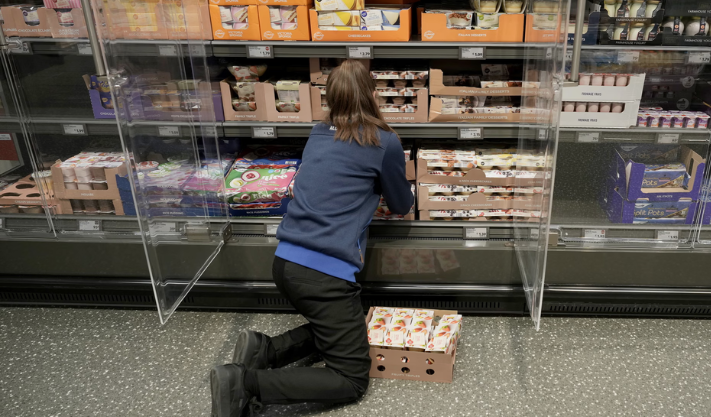
Food has been one of the most visible areas of rising costs. Shoppers report spending far more on weekly groceries, even when buying fewer items or switching to cheaper alternatives. Staple products such as bread, milk, eggs, and fresh produce have seen notable price increases, making it harder for families to stretch their budgets. Many households have responded by changing shopping habits—opting for own-brand products, visiting discount supermarkets, or planning meals more carefully to avoid waste.
Energy bills have also played a major role in squeezing finances. Despite government interventions and price caps, gas and electricity costs remain high compared to pre-crisis levels. For many, this has meant making difficult choices, such as limiting heating use during colder months or cutting back on other essentials to keep the lights on. Charities and community organizations have reported increased demand for warm spaces and energy advice services, highlighting how deeply the issue has affected vulnerable groups.
Housing costs add another layer of pressure. Rent has risen sharply in many parts of the UK, driven by high demand and limited supply. For renters, especially in cities, a growing share of income is now devoted to housing, leaving less for food, transport, and savings. Homeowners with mortgages have also felt the impact, as higher interest rates have led to increased monthly repayments for those coming off fixed-rate deals.
Changing Spending Habits
In response, Brits are adapting in practical and sometimes creative ways. Budgeting has become a necessity rather than a choice. Many households are tracking expenses more closely, using budgeting apps or spreadsheets to monitor where their money goes. Subscriptions for streaming services, gyms, and digital platforms are often among the first expenses to be reviewed or canceled.
Eating out, once a regular treat for many, has become less frequent. Pubs and restaurants have reported a shift in customer behavior, with people opting for fewer visits or choosing cheaper menu options. At the same time, home cooking has seen a resurgence, with social media filled with tips on batch cooking, low-cost recipes, and reducing food waste.
Second-hand shopping has also grown in popularity. Charity shops, online resale platforms, and clothing swaps offer more affordable alternatives to buying new items. This trend is particularly noticeable among younger consumers, who are combining cost-saving measures with environmental concerns.
Impact on Mental Health and Wellbeing
Beyond finances, the cost of living crisis has taken a toll on mental health. Constant worry about money can lead to stress, anxiety, and a sense of insecurity about the future. Surveys and reports from mental health charities suggest that financial pressure is increasingly linked to poor mental wellbeing, especially among parents, carers, and those on fixed incomes.
For some, the pressure has changed life plans altogether. Decisions about having children, moving home, or changing careers are being delayed or abandoned due to financial uncertainty. Young adults, in particular, face challenges saving for a deposit or feeling confident about long-term stability.
Community Support and Coping Strategies
Despite the difficulties, communities across the UK have stepped up to support one another. Food banks, community fridges, and mutual aid groups have become lifelines for many families. Local councils, charities, and faith groups are offering advice on benefits, debt management, and energy efficiency, helping people navigate complex systems and access support.
Workplaces are also playing a role. Some employers have introduced cost-of-living payments, flexible working arrangements, or financial wellbeing programs to help staff cope. While these measures do not solve the underlying problem, they can provide short-term relief and signal greater awareness of employees’ struggles.
On an individual level, people are finding small ways to regain a sense of control. Growing vegetables, repairing items instead of replacing them, and sharing resources with neighbors are all examples of how households are adapting. These changes may be driven by necessity, but they also reflect a shift toward more mindful consumption.
Looking Ahead
The long-term effects of the cost of living crisis remain uncertain. While inflation may continue to stabilize, many prices are unlikely to return to previous levels. This means that coping strategies developed during the crisis could become permanent features of everyday life.
For policymakers, the challenge lies in addressing both immediate pressures and structural issues, such as housing affordability, energy security, and wage growth. For individuals and families, resilience has become essential—balancing short-term survival with long-term planning in an unpredictable economic environment.
Ultimately, the cost of living crisis has highlighted inequalities that already existed while reshaping how Brits think about money. It has forced difficult choices and exposed vulnerabilities, but it has also sparked conversations about fairness, sustainability, and the kind of economy people want in the future. As households continue to adapt, their experiences will play a crucial role in shaping the UK’s social and economic landscape for years to come.
Published: 7th January 2026
For more article like this please follow our social media Twitter, Linkedin & Instagram
Also Read:
UK credit card borrowing hits near two-year high pace
Why London Remains Europe’s Business Capital in 2025
Luxury Lifestyle in the UK: From Fine Dining to High Fashion