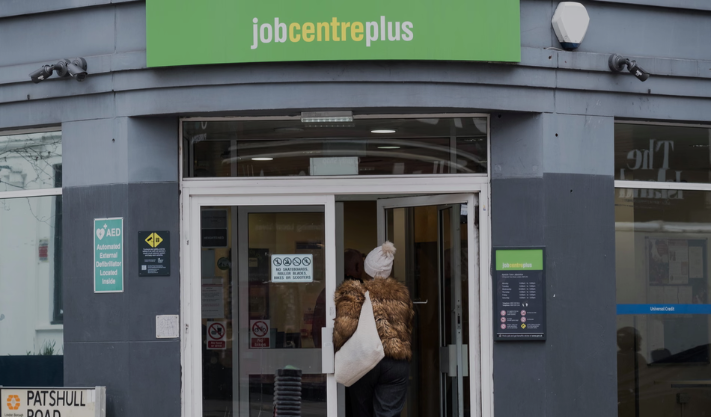
Britain’s Job Market Struggling as Companies Stay Careful About Hiring
Britain’s job market is currently struggling, as many companies are being careful about hiring new employees. Recent data shows that the labour market remains weak and uncertain, with only small signs that the situation may improve soon.
Two new reports released on Monday suggest that businesses are still worried about economic conditions and rising costs. Because of this, many companies are choosing to delay hiring new staff. This cautious approach has kept the labour market in a fragile position.
A monthly employment index from BDO, an accounting and consultancy firm, shows that hiring activity is at one of its lowest levels in nearly 15 years. The index recorded its weakest result since March 2011, when the job market was still recovering from the global financial crisis.
The BDO employment index tracks trends such as companies’ plans to hire, the number of employees they have, and the overall demand for workers. In February, the index stood at 93.30, the same as in January. This means hiring conditions remain weak. Any score above 95 shows growth in hiring, while a score below 95 indicates a decline in job opportunities.
According to the report, the pace of decline has slowed slightly since the start of the year. However, there are still very few signs that the labour market will recover quickly. Businesses are continuing to act carefully as they deal with uncertainty in the economy.
Official data also shows similar trends. Figures from the Office for Budget Responsibility reveal that unemployment in the United Kingdom rose to 5.2% in the last quarter of 2025. This is the highest level in five years. The unemployment rate among young people has also reached its highest level in nearly 11 years.
The Office for Budget Responsibility expects unemployment to rise slightly further this year. It forecasts that the jobless rate will peak at 5.3% in 2026. This is higher than its earlier forecast of 4.9% made in November.
The increase in unemployment has mainly happened because businesses are hiring fewer new workers rather than firing existing employees. This trend has had a stronger impact on young people who are entering the workforce for the first time and looking for new job opportunities.
While the labour market remains weak, there are some positive signs in other parts of the economy. BDO reported that its business output index, which measures economic activity across major sectors, increased in February.
The index rose to 98.80 from 97.67 in January. This is the highest level recorded in a year and marks the third straight month of improvement. The growth was mainly driven by stronger performance in the services sector, which is a major part of the British economy.
Despite this progress, experts warn that stronger economic growth will be difficult if the job market continues to struggle. Scott Knight, head of growth at BDO, said global disruptions are putting more pressure on the economy.
He explained that while some areas of the economy are starting to grow again, the labour market still needs serious attention. Without targeted action to improve hiring conditions, long-term economic growth will remain limited.
Another report from KPMG and the Recruitment and Employment Confederation also showed that demand for both permanent and temporary workers continued to fall in February. However, the decline was slower than in previous months, which may suggest that conditions are beginning to stabilize.
The report found that hiring for permanent positions is still decreasing, but the drop is now the smallest since March 2023. Some recruiters said that overall hiring conditions remain quiet, while others noticed a small improvement in companies’ willingness to recruit new staff.
Jon Holt, the chief executive of KPMG UK, said businesses are once again dealing with unexpected economic shocks caused by global events. He pointed to the ongoing crisis in the Middle East as one of the factors affecting business confidence.
According to Holt, companies have had to adapt to constant uncertainty in recent years. He said resilience has now become the “new normal” for businesses. Because of this, any early signs of recovery in hiring could slow down again as company leaders review their plans and assess economic risks.
The report also examined hiring trends across different sectors of the economy. It found that engineering was the only sector where demand for permanent workers improved in February.
In contrast, some industries saw significant declines in job openings. The retail sector and the hotel and catering industries experienced the largest drops in permanent job vacancies. Retail also recorded the biggest decrease in temporary job opportunities.
These trends suggest that consumer-facing industries are facing particular challenges. Rising costs and cautious spending by customers may be making companies in these sectors more careful about expanding their workforce.
Neil Carberry, chief executive of the Recruitment and Employment Confederation, said a real improvement in the labour market will depend on stronger confidence among businesses and consumers.
He noted that there is still money available in the economy for spending and investment. However, people and businesses need to feel more confident about the future before they start spending and hiring more actively.
Carberry added that government policies should focus on reducing the cost of doing business. Lower business costs could encourage companies to invest and create more jobs. This would also help address the rising cost of living, which has been a major concern for many households.
Overall, the reports suggest that while parts of the British economy are beginning to show improvement, the job market is still facing serious challenges. Until businesses feel more confident about economic conditions, hiring is likely to remain slow.
For now, Britain’s labour market remains fragile, and any meaningful recovery may take time.
Also Read:
Stock Markets Fall as $100 Oil Clouds UK Rate Cut Outlook
8 Best Body Creams That Deeply Hydrate Dry Skin
Middle East war may slow growth in UK living standards