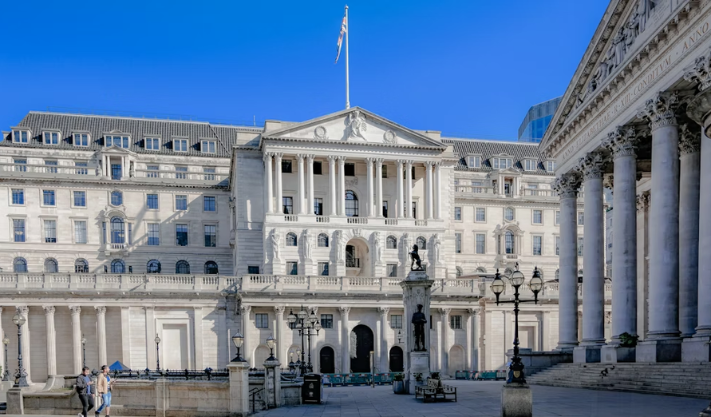
Bank of England Rate Decisions: What It Means for UK Consumers
The Bank of England’s (BoE) interest rate decisions play a central role in shaping the financial lives of UK consumers. Whether you are a homeowner, renter, saver, borrower, or business owner, changes to the Bank Rate influence how much you pay on loans, how much you earn on savings, and how confident you feel about spending. Understanding what these decisions mean in practice can help households make better financial choices in an uncertain economic environment.
What Is the Bank of England Base Rate?
The Bank Rate, often referred to as the base rate, is the interest rate the Bank of England charges commercial banks for borrowing money. Set by the Monetary Policy Committee (MPC), the rate is reviewed eight times a year and is primarily used to control inflation, which is the rate at which prices rise over time.
When inflation is too high, the Bank typically raises interest rates to slow spending and borrowing. When inflation is too low or the economy is struggling, it may cut rates to encourage borrowing and investment. While the Bank Rate does not directly set consumer interest rates, it strongly influences the rates banks and lenders offer to individuals and businesses.
Why Rate Decisions Matter to Consumers
Interest rate changes ripple through the economy, affecting nearly every aspect of household finances. From mortgage repayments to credit card debt and savings accounts, the Bank of England’s decisions determine how affordable money is.
For consumers, the impact is often felt in three main areas: borrowing costs, savings returns, and the overall cost of living.
Impact on Mortgages and Housing Costs
One of the most immediate and visible effects of a rate change is on mortgages. Around a significant portion of UK homeowners have either variable-rate mortgages or fixed-rate deals that eventually expire.
-
Variable-rate mortgages: When the Bank Rate rises, lenders usually increase their variable mortgage rates. This means higher monthly repayments for homeowners, sometimes by hundreds of pounds a month.
-
Fixed-rate mortgages: While existing fixed-rate deals are protected until they end, new fixed-rate mortgages tend to become more expensive when interest rates rise. This affects first-time buyers and homeowners looking to remortgage.
Higher mortgage costs can also cool the housing market. As borrowing becomes more expensive, fewer people can afford to buy homes, which may slow house price growth or even lead to price declines in some areas. For renters, this can still have consequences, as landlords facing higher mortgage costs may pass them on through increased rents.
Effect on Loans and Credit Cards
Interest rate decisions also affect other forms of borrowing, including personal loans, car finance, and credit cards.
-
Personal loans and car finance: Higher rates generally mean higher interest costs, making large purchases more expensive. This can discourage consumers from taking on new debt.
-
Credit cards: Many credit cards have variable interest rates. When the Bank Rate rises, card providers may increase the annual percentage rate (APR), making outstanding balances more costly to carry.
For households already struggling with debt, rising rates can increase financial pressure, making budgeting and repayments more challenging.
What It Means for Savers
While higher interest rates are often bad news for borrowers, they can be good news for savers. When the Bank Rate rises, banks usually increase the interest paid on savings accounts, though often more slowly and selectively than they raise borrowing costs.
-
Savings accounts: Easy-access and fixed-term savings accounts may offer better returns during periods of higher interest rates.
-
Cash ISAs: Savers can benefit from higher tax-free interest, making ISAs more attractive.
-
Pension pots: Interest rate changes can influence investment returns and annuity rates, particularly for those nearing retirement.
However, even when savings rates rise, they may still lag behind inflation. This means that, in real terms, the purchasing power of savings can continue to erode if inflation remains high.
Influence on Inflation and the Cost of Living
The Bank of England’s primary mandate is to keep inflation close to its target, currently 2%. Inflation affects the cost of everyday goods and services, including food, energy, transport, and housing.
When rates rise:
-
Spending and borrowing tend to slow.
-
Demand for goods and services decreases.
-
Price pressures may ease over time.
For consumers, this can eventually help stabilise the cost of living. However, rate rises often take months, or even years, to fully work their way through the economy. In the short term, households may feel squeezed as higher borrowing costs coincide with already high prices.
Impact on Employment and Wages
Interest rate decisions can also influence the job market. Higher rates can slow economic growth as businesses face higher borrowing costs and reduced consumer demand. This may lead to:
-
Slower hiring
-
Reduced wage growth
-
In some cases, job losses
Conversely, when rates are lowered, businesses may find it cheaper to invest and expand, supporting employment and wage growth. For consumers, job security and income prospects are just as important as interest rates when it comes to financial wellbeing.
Confidence and Consumer Behaviour
Beyond direct financial impacts, Bank of England rate decisions affect consumer confidence. When rates rise sharply, households may become more cautious, cutting back on discretionary spending such as holidays, dining out, and big-ticket purchases.
This shift in behaviour can reinforce economic slowdowns. On the other hand, stable or falling rates can boost confidence, encouraging consumers to spend and invest, which supports economic growth.
How Consumers Can Respond
While individuals cannot control interest rate decisions, they can take steps to manage their impact:
-
Review borrowing: Check whether you are on a variable-rate loan and consider fixing rates if appropriate.
-
Budget carefully: Account for potential increases in mortgage or loan payments.
-
Reduce high-interest debt: Paying down credit card balances can limit exposure to rising rates.
-
Shop around for savings: Compare accounts to ensure your savings earn competitive interest.
-
Seek advice: Financial advisers or mortgage brokers can help navigate changing conditions.
Looking Ahead
Bank of England rate decisions are shaped by complex economic factors, including inflation trends, wage growth, global events, and financial market conditions. For UK consumers, these decisions can feel distant yet have very real consequences for household budgets.
Understanding how interest rates work and how they affect borrowing, saving, and spending can empower consumers to make informed financial choices. While rate changes may bring challenges, especially during periods of economic uncertainty, proactive planning and awareness can help households adapt and protect their financial stability in the long term.
Published: 18th December 2025
For more article like this please follow our social media Twitter, Linkedin & Instagram
Also Read:
Young Workers Suffer as UK Unemployment Rises to 5.1%
London’s Role in the UK’s Net Zero Energy Revolution
UK Treasury plans new rules to control cryptocurrency market