Bank of England keeps interest rates at 3.75% as inflation concerns continue
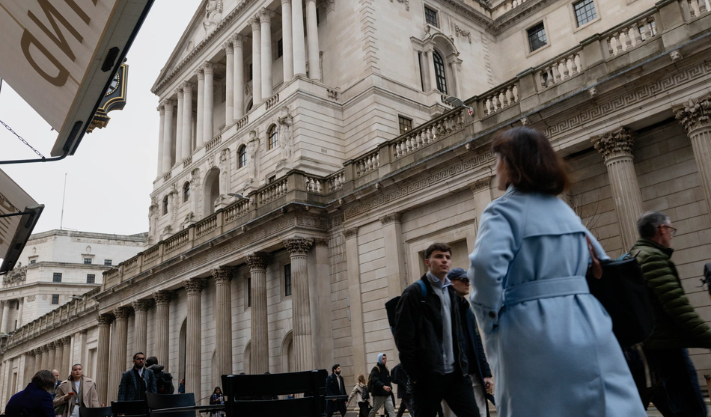
The Bank of England has decided to keep its main interest rate unchanged at 3.75%, as it continues to watch inflation closely. However, the Bank has signalled that interest rate cuts may be possible in the coming months if inflation keeps falling.
The decision comes as the Bank expects inflation to slow down, partly because of cost-of-living measures announced in the recent budget by Chancellor Rachel Reeves. These steps are expected to reduce prices for households and help bring inflation closer to the government’s 2% target.
The Bank’s Monetary Policy Committee (MPC), which has nine members, voted to keep rates on hold. While the final vote was close, policymakers agreed it was safer to wait for clearer signs that inflation is under control. Since mid-2024, the MPC has already cut interest rates six times.
Although borrowing costs remain the same for now, the narrow 5–4 vote split suggests that more rate cuts could happen later this year. Some members felt conditions were already right to lower rates again, while others wanted more evidence that inflation would stay low.
Bank Governor Andrew Bailey, who voted to keep rates unchanged, said inflation is expected to fall to about 2% by spring. He called this “good news” but stressed the importance of keeping inflation stable before making further cuts.
“We believe inflation will come down to around our target in the coming months,” Bailey said. “To make sure it stays there, we have decided to hold rates at 3.75% today. If things continue in the right direction, there could be room for rate cuts later this year.”
In its latest monetary policy report, the Bank reduced its growth forecast for the UK economy. It now expects GDP to grow by 0.9% in 2025, down from the 1.2% it had predicted three months earlier. This shows that the Bank believes economic growth will be slower than previously thought.
Rachel Reeves announced a series of anti-inflation measures in her late-November budget, aiming to ease pressure on households and support the wider economy. These included cuts to energy bills and a freeze on rail fares, both starting in April. The Bank believes these steps will have a strong effect on lowering inflation.
Because of these policies, the Bank now expects inflation to fall more than previously expected, reaching 2.1% by the second quarter of 2026. This is slightly above the official 2% target, but much lower than the 3.4% inflation rate recorded in December.
Reeves has said that 2025 should be the year the UK “turns the page” on inflation, after a period of rising prices caused by supply chain problems following Covid lockdowns and the impact of Russia’s war in Ukraine.
Economists agree that government action has played an important role. Yael Selfin, chief economist at KPMG, said the latest inflation forecast reflects the effect of budget measures, especially the expected fall in energy prices from April onwards.
While lower inflation should bring some relief to families struggling with high costs, the Bank also warned about a weaker jobs market. It now expects unemployment to rise to 5.3% in 2025, higher than the 5% rate it had previously forecast for 2026.
The report said that recent changes in government policy, including higher employer national insurance contributions and a rising minimum wage, have contributed to slow job growth over the past year. Policymakers believe this could reduce strong wage increases, which can add to inflation.
As inflation moves closer to the 2% target, the Bank said decisions on future interest rate cuts would become harder. It repeated previous comments that rate decisions would depend on incoming data and economic conditions.
Financial markets reacted by suggesting there is now a 50% chance of a rate cut at the Bank’s next meeting on 19 March. Speaking to Bloomberg TV, Bailey said this was a fair assessment, adding that the decision would depend on how inflation and economic data develop before then.
Four MPC members supported an immediate cut of 0.25 percentage points. These included senior Bank officials Dave Ramsden and Sarah Breeden, along with external members Alan Taylor and Swati Dhingra.
In the meeting minutes, Taylor said that a base rate of 3% should now be a clear goal, which would mean three more rate cuts. He pointed to continued signs of weaker growth and falling inflation in the Bank’s forecasts.
However, not all policymakers agree. Megan Greene, a more cautious MPC member, said she remains worried about high inflation expectations among consumers and strong wage growth. She warned that cutting rates too quickly could be a mistake.
At the press conference following the decision, Bailey also commented on recent revelations involving former minister Peter Mandelson, who was criticised for sharing sensitive policy details with convicted offender Jeffrey Epstein during the 2008–09 financial crisis.
Bailey said he was shocked by the information that had emerged and stressed the importance of ethics and trust in public service. He became emotional when speaking about his work during the crisis with the late former chancellor Alistair Darling, praising Darling’s honesty and leadership at the time.
The Bank’s decision highlights the delicate balance policymakers face as they try to control inflation, support economic growth, and protect jobs—while preparing the ground for possible rate cuts later in the year.
Published: 9th February 2026
For more article like this please follow our social media Twitter, Linkedin & Instagram
Also Read:
10 Wellness Trends That Will Define 2026
Private Equity Firms Target UK Tech and Healthcare Sectors
Zero Migration Could Shrink UK Economy, Warns Thinktank