Luxury Fashion Sales Surge Across London Boutiques
Luxury fashion sales across London have surged in recent months, signaling a strong revival of high-end retail in one of the world’s most influential fashion capitals. From the historic streets of Mayfair to the flagship-lined avenues of Bond Street and Knightsbridge, boutiques are reporting increased footfall, higher transaction values, and renewed confidence among both domestic and international shoppers.
This resurgence comes after several years of disruption caused by the pandemic, inflationary pressures, and shifting consumer habits. While luxury retail proved more resilient than mass-market fashion during economic uncertainty, the current growth reflects a broader return of confidence, tourism, and experiential shopping in London’s premium retail districts.
International Tourism Fuels Growth
A major driver behind the sales surge is the strong return of international tourists. Shoppers from the Middle East, the United States, China, and Southeast Asia have once again made London a key destination for luxury purchases. Favorable exchange rates, particularly the relatively weaker pound, have made luxury goods more attractive compared to prices in Paris, Milan, or New York.
Luxury boutiques report that tourists are not only returning in greater numbers but are also spending more per visit. High-ticket items such as handbags, fine jewelry, couture pieces, and limited-edition collections are seeing especially strong demand. For many international visitors, shopping in London offers exclusivity, access to flagship stores, and a sense of prestige tied to the city’s fashion heritage.
Bond Street and Knightsbridge Lead the Way
Bond Street remains at the heart of London’s luxury boom. Major fashion houses have invested heavily in refurbishing and expanding their flagship stores, transforming them into immersive brand experiences rather than simple retail spaces. Multi-level boutiques now feature private salons, art installations, and personalized styling services designed to cater to high-net-worth clients.
Knightsbridge, anchored by iconic department stores and surrounded by luxury boutiques, has also seen strong performance. Retailers report increased sales in evening wear, formal attire, and occasion dressing, reflecting the return of social events, galas, and international travel. Many brands note that customers are once again dressing with intention, favoring statement pieces over casual wear.
Experiential Retail Redefines Luxury Shopping
The surge in sales is closely tied to the evolution of luxury retail into an experience-driven model. London boutiques are investing in personalized services, exclusive in-store events, and appointment-only shopping for top-tier clients. From champagne receptions to private fashion previews, brands are emphasizing human connection and craftsmanship to differentiate themselves from online shopping.
Consumers are increasingly seeking meaningful interactions with brands, valuing storytelling, heritage, and craftsmanship. Sales associates trained as brand ambassadors play a crucial role, building long-term relationships with clients and offering tailored recommendations. This high-touch approach has proven especially effective with affluent shoppers who prioritize service as much as the product itself.
Resilient Domestic Demand
While international tourism is a major factor, domestic demand has also strengthened. Despite ongoing concerns about the cost of living, affluent UK consumers continue to invest in luxury fashion. Many see high-end purchases as long-term investments, particularly in classic items that retain value or offer resale potential.
There has also been a noticeable shift toward “quiet luxury” — understated, high-quality designs that emphasize materials and craftsmanship over visible logos. London boutiques report growing interest in timeless tailoring, premium knitwear, and minimalist accessories, reflecting broader global fashion trends.
Digital and Physical Retail Working Together
Rather than replacing brick-and-mortar stores, digital platforms are increasingly complementing physical retail. Many London boutiques use online channels to drive in-store appointments, showcase limited collections, and maintain relationships with international clients after they return home.
Luxury brands are leveraging data from online interactions to personalize the in-store experience, ensuring that returning customers feel recognized and valued. This seamless integration of digital and physical retail has helped boost conversion rates and average spend, contributing to the overall sales growth.
Sustainability Influences Purchasing Decisions
Sustainability continues to play a growing role in luxury fashion, particularly among younger affluent consumers. London boutiques report increased interest in ethically sourced materials, transparent supply chains, and brands that demonstrate environmental responsibility.
Several luxury houses have highlighted their sustainability initiatives in-store, from recycled materials to repair and restoration services that extend the lifespan of garments and accessories. These efforts resonate with consumers who want to align luxury purchases with personal values, without compromising on quality or design.
Challenges Remain Despite Optimism
Despite the positive momentum, challenges remain for London’s luxury retail sector. Rising operational costs, including rent, staffing, and energy, continue to pressure margins. Additionally, competition from other global luxury hubs remains intense, with cities such as Paris and Dubai investing heavily in attracting high-spending shoppers.
Retailers also face the task of adapting to evolving consumer expectations, particularly among younger generations who demand authenticity, inclusivity, and digital fluency from luxury brands. Maintaining relevance while preserving exclusivity is a delicate balance that many boutiques are actively navigating.
Outlook for the Coming Year
Industry analysts remain cautiously optimistic about the outlook for luxury fashion in London. Continued tourism growth, stable demand from high-net-worth individuals, and ongoing investment in flagship stores are expected to support sales through the coming year. Seasonal events, fashion weeks, and cultural attractions will further reinforce London’s position as a global luxury destination.
However, brands are likely to remain selective, focusing on strategic expansion rather than rapid growth. The emphasis will be on quality over quantity — deeper client relationships, curated collections, and immersive retail experiences that justify premium pricing.
A Reaffirmation of London’s Fashion Status
The surge in luxury fashion sales across London boutiques is more than a short-term rebound; it represents a reaffirmation of the city’s enduring appeal as a global fashion capital. By combining heritage with innovation, and exclusivity with experience, London’s luxury retail sector has adapted to changing times while preserving its distinctive character.
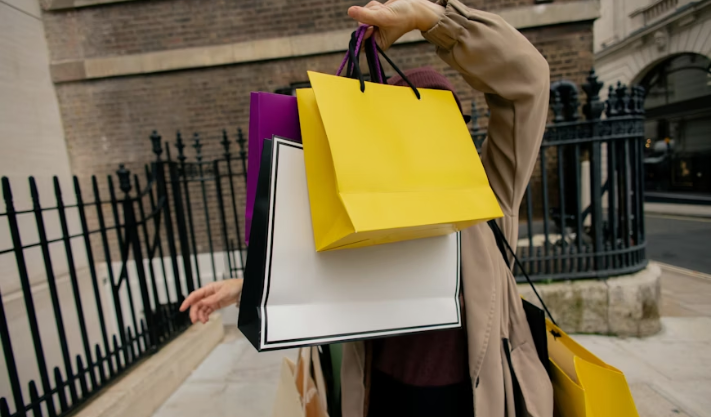
As shoppers once again stroll through Mayfair, Bond Street, and Knightsbridge with branded bags in hand, the message is clear: London luxury is not only back, but evolving — stronger, more refined, and deeply connected to the art of fashion itself.
Published: 19th January 2026
For more article like this please follow our social media Twitter, Linkedin & Instagram
Also Read:
Tech Stocks Lead London’s Market Rebound
UK Borrowing Costs Fall to Lowest Level in Over a Year
Luxury Real Estate in London: Demand Remains Strong