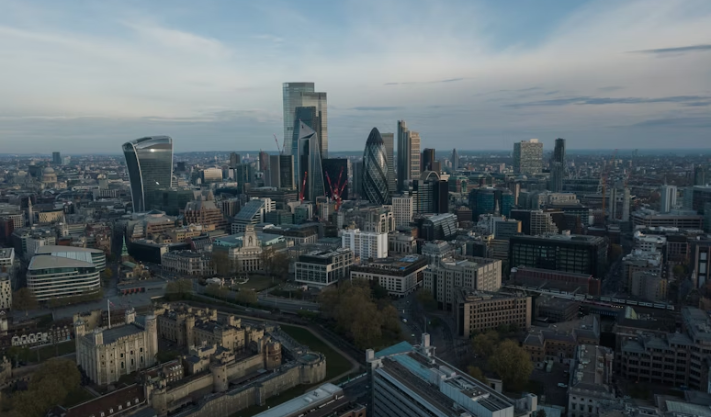
Luxury Real Estate in London: Demand Remains Strong
London has long been one of the world’s most desirable luxury real estate markets, attracting high-net-worth individuals (HNWIs), international investors, and global elites. Despite economic uncertainties, higher interest rates, geopolitical tensions, and evolving tax regulations, demand for luxury property in London remains resilient. Prime and super-prime segments continue to demonstrate strength, underpinned by London’s global status, limited supply, lifestyle appeal, and its role as a safe haven for capital.
A Market Defined by Global Appeal
London’s luxury real estate market is unique in its international character. Buyers from the Middle East, Asia, Europe, and North America view prime London property as both a lifestyle asset and a long-term store of value. The city’s reputation as a global financial center, combined with its cultural depth, world-class education, healthcare, and legal transparency, continues to make it a magnet for wealth.
Neighborhoods such as Mayfair, Knightsbridge, Belgravia, Kensington, Chelsea, and St John’s Wood remain at the heart of demand. These areas offer proximity to elite schools, private members’ clubs, luxury retail, Michelin-starred dining, and iconic green spaces like Hyde Park and Regent’s Park. For many international buyers, owning property in these locations is as much about prestige and lifestyle as it is about investment.
Resilience Despite Economic Headwinds
The broader UK housing market has faced challenges in recent years, including inflationary pressures, rising mortgage rates, and slower economic growth. However, the luxury segment has proven more insulated from these factors. High-end buyers are typically less reliant on borrowing and more likely to purchase with cash or significant equity, reducing sensitivity to interest rate fluctuations.
While transaction volumes in some parts of the market have moderated, prices in prime central London have shown remarkable stability. In certain submarkets, particularly the super-prime category (properties priced above £10 million), demand continues to outstrip supply. Trophy homes, historic townhouses, and properties with exceptional views or architectural significance are especially sought after.
The Role of Currency Advantage
One of the key drivers sustaining international demand is the relative weakness of the British pound. For overseas buyers, particularly those transacting in US dollars or Middle Eastern currencies pegged to the dollar, London property has effectively become more affordable. This currency advantage has renewed interest from international investors who see London luxury real estate as offering better value compared to other global cities such as New York, Paris, or Hong Kong.
This dynamic has been particularly evident among buyers from the GCC, who continue to view London as a preferred destination for second homes, family residences, and long-term investments. The city’s cultural familiarity, established communities, and strong air connectivity further reinforce its appeal.
Limited Supply Supports Prices
Supply constraints play a crucial role in maintaining the strength of London’s luxury property market. Planning restrictions, conservation rules, and a lack of available land in prime areas limit new development. As a result, genuinely high-quality properties are scarce, especially those that combine location, size, outdoor space, and modern specifications.
New-build luxury developments, while popular, are limited in number and often sell quickly when they meet market expectations. Buyers increasingly prioritize turnkey properties with high-end finishes, wellness amenities, security, and sustainability features. This has driven competition for best-in-class homes, supporting price resilience even during periods of broader market uncertainty.
Lifestyle, Education, and Long-Term Security
Beyond financial considerations, lifestyle factors remain a powerful driver of demand. London offers an unmatched blend of history and modernity, with access to world-renowned cultural institutions, theaters, museums, and sporting events. For international families, the presence of top-tier schools and universities—including private schools and globally ranked universities—adds to the city’s long-term appeal.
Political stability and a strong legal framework also enhance London’s reputation as a secure place to hold assets. Property rights are well established, transactions are transparent, and the rule of law is robust. These factors are particularly important for international investors seeking capital preservation in an uncertain global environment.
Evolving Buyer Preferences
While demand remains strong, buyer preferences within the luxury segment are evolving. There is growing interest in sustainability, energy efficiency, and wellness-oriented design. Features such as smart home technology, air filtration systems, private gyms, spas, and landscaped outdoor spaces are increasingly viewed as essential rather than optional.
Post-pandemic lifestyle shifts have also influenced demand. Buyers now place greater emphasis on space, privacy, and flexibility, including home offices and multi-functional living areas. Larger apartments, lateral living, and houses with gardens have benefited from this trend, particularly in areas like Hampstead, Richmond, and Notting Hill.
Impact of Tax and Regulatory Changes
Taxation and regulation remain important considerations for luxury buyers. Changes to stamp duty, non-domiciled status rules, and property-related taxes have added complexity to purchasing decisions. However, rather than deterring buyers outright, these changes have encouraged more strategic and long-term planning.
Many high-net-worth individuals continue to view London property as a core part of a diversified global portfolio. Professional advice, careful structuring, and a focus on long-term value have become increasingly important, but the underlying demand drivers remain intact.
Outlook: Confidence in the Long Term
Looking ahead, the outlook for London’s luxury real estate market remains positive. While short-term fluctuations are inevitable, the fundamentals supporting demand are strong. London’s global connectivity, cultural influence, limited supply, and enduring prestige ensure its continued relevance among the world’s leading luxury property markets.
As global wealth continues to grow, particularly in emerging markets, London is well positioned to attract new waves of international buyers. For investors and end-users alike, luxury real estate in London continues to offer a compelling combination of stability, lifestyle, and long-term value.
In a world of shifting economic conditions and geopolitical uncertainty, London’s luxury property market stands out for its resilience. Demand remains strong—not just because of market dynamics, but because London itself remains one of the most desirable cities in the world to live, invest, and belong to.
Published: 14th January 2026
For more article like this please follow our social media Twitter, Linkedin & Instagram
Also Read:
UK Not Fully Ready for War, Says Military Chief
How to Invest Smartly in the UK During Economic Uncertainty
5 Entrepreneurial Challenges That Shape Successful Leaders